Author: social@mankomb.com

  • Unseen Damage: Landfills and Soil Pollution Copy

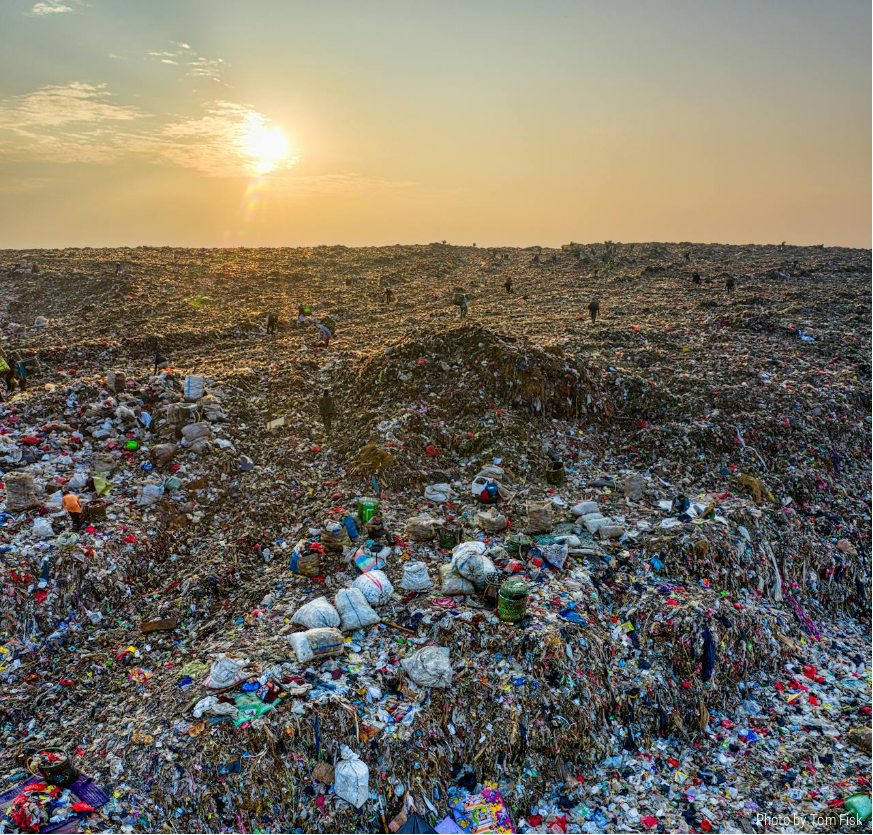
    Beyond the visible impact on air, landfills also severely affect soil quality. The reckless dumping of waste leads to soil contamination, which can cause long-term, unseen health issues. Pollutants from landfills seep into the ground, disrupting the soil’s natural balance and contributing to diseases that may only become apparent years later. This silent threat underscores the need for more sustainable waste management practices.

    Contaminated soil can affect agricultural productivity, leading to crops that are unsafe for consumption. Heavy metals and toxic chemicals from landfills can enter the food chain, posing risks to human health. The degradation of soil quality also impacts biodiversity, affecting the flora and fauna that rely on healthy soil for survival.

    The Silent Threat to Soil

    Landfills, while critical for managing waste, often cause significant and unseen damage to our environment. Beneath the surface, these massive waste repositories silently degrade soil quality, leading to long-term soil pollution. The uncontrolled disposal of waste at these sites introduces harmful pollutants in soil, disrupting its natural balance and posing severe environmental risks. This growing problem underscores the urgent need for more sustainable waste management practices.

    Soil contamination from landfills not only threatens the environment but also directly impacts our health and food security. Toxic leachate from these sites, loaded with heavy metal contamination and other hazardous substances, seeps into the soil, making it unfit for agriculture. As a result, crops grown on contaminated land can become unsafe for consumption, introducing these toxins into our food chain. Moreover, the degradation of soil affects biodiversity, endangering the plants and animals that depend on healthy soil to thrive.

    Understanding Landfills and Their Role in Soil Pollution

    Landfills are intended to be controlled environments for waste disposal, yet they often become significant sources of soil contamination. In many regions, poorly managed landfills have turned into hotspots for environmental degradation. In India alone, there are over 3,000 legacy waste dumpsites, which collectively cover more than 20,937 acres and contain around 230 million tonnes of waste. This staggering amount of waste contributes heavily to soil pollution across the country.

    The issue stems from the diverse composition of waste in landfills. These sites often hold a mix of organic waste, hazardous materials, and electronic waste. As this waste decomposes, it generates toxic leachate—a polluted liquid that forms when water filters through the waste. This leachate, rich in harmful substances like heavy metals, chlorides, and nitrates, infiltrates the soil, compromising its health and fertility. For example, the Ghazipur landfill in Delhi, which has far exceeded its capacity, is a prime example of how overburdened landfills can exacerbate groundwater contamination and soil pollution.

    The Science Behind Soil Pollution from Landfills

    The process of soil contamination in and around landfills is complex and multifaceted. Leachate management is a primary challenge, as it carries hazardous chemicals, including mercury, nickel, and chromium. When this leachate seeps into the ground, it alters the soil’s physical and chemical properties, leading to significant environmental risks. This is further complicated by the presence of microplastics in the leachate, which can interact with other contaminants, making the soil even more polluted.

    The pollutants from landfills do not stay contained. They spread through various pathways, including the migration of microplastics and other fine particles into surrounding areas. Microplastic contamination, which has been found in alarming concentrations near landfills, contributes to long-term soil degradation. Additionally, heavy metals and toxic substances from landfills can bioaccumulate in plants and animals, entering the food chain and posing serious health risks.

    Environmental Impact of Soil Pollution

    Soil pollution from landfills has far-reaching consequences for ecosystems. Contaminated soil disrupts local ecosystems by affecting plant life, wildlife, and microbial communities. For instance, the Kanjurmarg landfill in Mumbai, located near the Thane Creek Flamingo Sanctuary, has raised significant concerns about the impact of soil contamination on nearby natural habitats.

    Soil pollution is also closely linked to water contamination. Toxic leachate from landfills can infiltrate groundwater and surface water, leading to broader environmental damage. The extensive pollution from sites like the Deonar landfill in Mumbai, the largest and oldest in India, highlights the interconnectedness of soil and groundwater contamination. The introduction of microplastics and harmful chemicals into soil and water bodies can have long-term environmental impacts, threatening both ecosystems and human health.

    Human Health Risks Linked to Landfill-Related Soil Pollution

    The risks posed by landfill-related soil pollution extend beyond the environment—they directly affect human health. People living near landfills are at risk of direct exposure to toxic chemicals through soil contact. This is particularly concerning for vulnerable populations who are more susceptible to the health impacts of such exposure. The presence of heavy metals and other contaminants in the soil increases the risk of health issues, including chronic diseases and developmental disorders.

    The contamination of soil can also affect the food chain. Crops grown in polluted soil can absorb heavy metals and persistent organic pollutants, which then accumulate in the food we eat. This bioaccumulation poses serious health risks, as exposure to these toxins over time can lead to long-term health problems.

    Strategies for Mitigating Soil Pollution from Landfills

    Addressing soil pollution from landfills requires a multifaceted approach. Scientific landfill design and the use of containment systems are crucial. Modern landfills are equipped with liners and barriers designed to prevent leachate from reaching the soil. However, these technologies must be properly maintained and enforced to be effective. In recent years, municipalities have started implementing better landfill infrastructure, such as improved liners and covers, to mitigate soil contamination.

    Leachate collection and treatment are also crucial in reducing soil pollution. Advanced waste processing techniques, like those used in Indore’s waste management system, which includes a 15 MW Waste-to-Energy plant and a Bio-CNG plant, show how technology can help manage waste more effectively. Additionally, the Brihanmumbai Municipal Corporation (BMC) is taking proactive steps to address legacy waste at the Deonar landfill by treating accumulated waste to reduce soil pollution.

    Landfill remediation techniques, including soil washing, phytoremediation, and bioremediation, are essential for restoring soil health. Mankomb has been instrumental in promoting wet waste management at the source, showing that effective waste segregation can significantly reduce the burden on landfills. This approach not only prevents the mixing of organic waste with hazardous materials but also contributes to sustainable waste management practices. The future of waste management lies in innovative solutions like those from Mankomb, which offers hope for a cleaner, healthier planet.

    Sustainable Waste Management Practices

    To tackle the challenge of soil pollution from landfills, we must focus on sustainable waste management practices. Reducing waste generation and increasing recycling are critical steps. By diverting waste from landfills, we can minimize soil contamination and protect the environment. Waste segregation plays a vital role in this process, as it helps separate hazardous waste from organic waste, preventing contamination.

    Composting is another effective strategy for managing organic waste. By composting, we can divert organic materials from landfills, reduce the generation of toxic leachate, and improve soil quality. Proper management of organic waste is a simple yet powerful way to reduce the amount of waste that ends up in landfills.

    Innovative waste management solutions, such as waste-to-energy and circular economy principles, offer promising ways to minimize landfill use. These approaches can significantly reduce soil pollution and contribute to a more sustainable waste management system. Technologies like biomining and advanced landfill liners are also crucial in mitigating the environmental impact of waste disposal.

    What Can You Do?

    Individuals and communities play a crucial role in reducing waste and preventing soil pollution from landfills. Simple actions like reducing plastic use, composting organic waste, and recycling can make a significant difference. By being mindful of waste generation and disposal, we can all contribute to a healthier environment.

    Community initiatives are vital in promoting sustainable waste management. Working together, communities can reduce their reliance on landfills and protect local soil quality. By supporting local waste management policies and advocating for better landfill management practices, we can create a healthier environment for future generations.

    Takeaway

    Soil pollution from landfills is a serious environmental issue that demands immediate attention. The contamination of soil, particularly in regions with poorly managed landfills, highlights the need for sustainable waste management practices. By reducing waste, enforcing regulations, and embracing innovative solutions, we can mitigate the impact of landfills on soil quality. The question remains: What steps will you take to protect our soil for future generations?

  • The Air We Breathe: Landfills and Greenhouse Gas Emissions Copy

    Landfills are more than just places where our waste ends up—they are silent contributors to a growing environmental challenge. Across the globe, landfills contribute approximately 1.6 billion tons of greenhouse gas (GHG) emissions each year. Among these, methane emissions stand out as a potent threat, with a global warming potential (GWP) 28 times greater than carbon dioxide. This isn’t just a statistic; it’s a wake-up call.

    Methane is emitted from decomposing biodegradable waste, making landfills significant contributors to climate change. But it’s not just about global warming. The harmful gases released from landfills also impact the air quality we breathe, especially in nearby communities. These emissions can cause respiratory problems, allergies, and other health issues, underscoring the urgent need for sustainable waste management practices. The good news? We have the power to make a difference.

    Understanding Landfills: What Happens to Our Waste?

    When we think about landfills, we often imagine vast mountains of municipal solid waste (MSW). But what really happens to our waste once it’s buried? A landfill is a designated site where waste is isolated from the environment until it’s safe. However, even after a landfill is closed, it can continue to emit methane, turning it into a methane hotspot and a persistent environmental concern.

    In countries like India, MSW is largely composed of biodegradable waste. When this organic matter decomposes anaerobically—without oxygen—it produces methane and carbon dioxide. The problem is not just the methane itself but also the fact that this process can continue for years, even decades. This is why sustainable waste management practices are essential to mitigate these emissions.

    But here’s where it gets interesting. Mankomb, a deeptech startup has been pioneering disruptive technologies to phase out biodegradable waste from landfills using AI powered aerobic processes. This not only reduces methane emissions but also transforms waste back into regenerated soil.

    The Science Behind Landfills and Greenhouse Gas Emissions

    Landfills emit two primary greenhouse gases: methane and carbon dioxide. Methane, in particular, is a major concern due to its high global warming potential. Even after landfills are closed, legacy waste dumpsites continue to emit substantial methane, making them long-term contributors to climate change.

    Take, for instance, the Ghazipur landfill in Delhi. In November 2021, this site recorded a methane leak of 156 tonnes per hour. This is not just a local issue; it highlights the urgent need for better waste management practices globally. Continuous monitoring and improved landfill management, aligned with the Solid Waste Management Rules 2016, are critical to tackling these emissions.

    The Global Impact of Landfill Emissions

    The environmental impact of landfills is not confined to one country or region. Globally, landfills are responsible for emitting 30-70 million tonnes of methane annually. In India alone, landfills contribute around 14% of the country’s total methane emissions. This is alarming, especially considering the increasing volume of urban waste generated every year.

    But there’s hope. Innovative solutions are emerging. Companies like Mankomb are leading by example, showing that with the right practices, we can turn this around. By promoting composting, recycling, and the use of refuse-derived fuel (RDF), they’re reducing the environmental hazards associated with traditional landfills.

    Current Solutions and Innovations in Reducing Landfill Emissions

    There are several strategies available today to reduce landfill emissions, and many of them are already being implemented with great success.

    One effective approach is methane capture. This gas can be used as a renewable energy source, significantly reducing methane emissions. With the right technology, 30-60% of landfill gases can be captured and converted into energy. This is not just good for the environment; it’s also a potential revenue stream for communities.

    Another promising solution is waste diversion. By diverting biodegradable waste away from landfills and into anaerobic digestion facilities, we can produce biogas and reduce methane emissions simultaneously. This approach is not just theoretical; it’s being practiced in communities around the world.

    Innovative technologies like biocovers, anaerobic digesters, and biochar are also making a difference. These technologies help to further reduce landfill emissions and manage waste more sustainably. With continued investment and adoption, they could play a critical role in the future of waste management.

    The Role of Policy and Regulation

    Governments around the world are beginning to recognize the importance of regulating landfill emissions. While some countries have signed the Global Methane Pledge to reduce emissions by 30% from 2020 levels by 2030, others, like India, are focusing on sector-specific strategies.

    In India, the Clean India Initiative aims to transform garbage mountains into green zones. This is a commendable step, but there’s still a long way to go. Stronger regulations and better enforcement are needed to curb landfill emissions effectively. Sustainable waste management must become a national priority, especially as the country’s waste generation is expected to rise dramatically in the coming decades.

    What Can Individuals and Communities Do?

    It’s easy to feel overwhelmed by the scale of the problem, but individual actions can have a big impact. By embracing the principles of reducing, reusing, and recycling, we can all help to decrease the amount of waste that ends up in landfills and reduce our carbon footprint.

    Communities can also make a difference. Mankomb is proving that managing wet waste at the source can lead to significant results. By promoting composting, recycling, and awareness campaigns, communities can reduce the amount of waste sent to landfills and contribute to climate change mitigation.

    Looking Forward: The Future of Waste Management

    The future of waste management lies in innovation and sustainability. Technologies that can transform waste into energy or useful products will be crucial in reducing landfill emissions. Large-scale anaerobic digestion facilities, improved landfill gas capture systems, and other innovative solutions represent significant opportunities for the future.

    But it’s not just about technology. We need to embrace a circular economy—an economy where waste is minimized, and resources are reused and recycled. This approach not only addresses environmental impact but also creates economic opportunities, fostering a more sustainable and resilient world.

    Takeaway

    Landfills are significant contributors to greenhouse gas emissions, particularly methane. But with better waste management practices and innovative technologies, we can address this issue. It’s up to all of us—individuals, communities, and governments—to take action.

    The air we breathe depends on the choices we make today. Are we ready to make the change?

  • Out of Sight, Out of Mind: The Reality of Landfills

    Ever wondered what happens to the garbage we throw away every day? In Bangalore, for instance, around 4,000 to 5,000 tons of solid waste are generated daily, most of which ends up in landfills. While landfills are essential for waste management, they have significant environmental impacts, from releasing methane gas to contaminating soil and water.

    In many parts of the world, the waste collected from households is often dumped into landfills, out of sight and out of mind for most of us. However, recent news has highlighted growing public discontent with these practices. For example, in 2024, protests erupted in India against the overflowing landfills in the outskirts of Delhi. A similar protest left the tech city Bengaluru stinking for weeks when residents of Mittaganahalli protested against landfills near their villages. Similarly, UK residents near Fleetwood landfill voiced their concerns over health risks and pollution , while in the United States, communities near the Bridgeton Landfill in Missouri protested against the toxic fumes affecting their daily lives. The landfill fire in Alabama last year polluted the air for miles and sickened people and animals far and wide.

    These protests highlight a global issue: the impact of landfills on local communities is becoming increasingly difficult to ignore. People living near these sites are raising their voices, demanding better waste management practices and more sustainable solutions. This is not just a local issue; it’s a worldwide challenge that requires our immediate attention.

    Understanding Landfills

    Landfills are designated areas for waste disposal, with different types serving various purposes, such as sanitary landfills for household trash and industrial landfills for commercial waste. Unlike traditional open pits, modern landfills are designed to contain waste and prevent environmental contamination, although this also means the waste does not decompose as it might in other settings.

    Environmental Impact

    Methane Emissions: When organic waste decomposes in the absence of oxygen in landfills, it releases methane, a potent greenhouse gas. Methane is much more effective at trapping heat in the atmosphere than carbon dioxide, making it a significant contributor to climate change. Landfills generate a mix of gases, with methane making up about 50%, carbon dioxide about 45%, and water vapor about 5%, accounting for approximately 12% of global methane emissions. This level of emission is equivalent to the pollution from 23.1 million gasoline-powered cars each year.

    Leachate: As waste breaks down and rainwater filters through landfills, it creates a toxic liquid known as leachate. This liquid can seep into the ground, contaminating soil and groundwater and posing serious environmental and health risks to nearby communities.

    Contamination: The toxic substances in landfills can leach into the surrounding environment, affecting both ecosystems and human health. Heavy metals and other pollutants can enter the soil and water, impacting plant and animal life and potentially entering the food chain. In the U.S., landfills receive about 146 million tons of waste annually, which amplifies these problems.

    Space Issues: The growing volume of waste is leading to a shortage of landfill space globally. Some estimates suggest that we are running out of landfill space at a rate of one per day worldwide.

    Waste Management Practices

    Modern waste management strategies, such as recycling and composting, are crucial for diverting waste away from landfills and reducing their environmental footprint. For example, municipal garbage trucks collect waste from 300-500 households per trip, amounting to approximately 8-10 tons per load, illustrating the vast amounts of waste managed daily.

    Innovations in waste management, such as methane capture systems, allow us to convert landfill gas into energy, thereby reducing harmful emissions. Additionally, waste-to-energy technologies and improved recycling processes are transforming how we deal with waste. Plastic bags, for instance, can take 10 to 100 years to degrade in landfills, while glass takes even longer, emphasizing the need for better recycling efforts. Some landfills are equipped to capture methane and convert it into energy, which helps mitigate their environmental impact.

    Companies like Mankomb are leading the way with innovative solutions like their fully automatic home food waste management appliance. This technology significantly reduces the amount of organic waste that ends up in landfills, addressing the issue at its source.

    Future Trends and Sustainability

    The future of waste management involves reducing waste, increasing recycling rates, and adopting zero-waste living practices. These efforts not only protect the environment but also promote a more sustainable society. There is a growing call for waste reduction, more recycling, and holding producers accountable for single-use plastics.

    Effective waste management also depends on robust policies and regulations. Governments must enforce stricter landfill regulations and support recycling and composting initiatives. Judicial actions, such as those by the Karnataka High Court that led to the creation of the Municipal Solid Waste Management Rules in 2016, can drive significant improvements. Often, effective waste management solutions require judicial intervention and sustained public pressure.

    Public awareness and community involvement are vital for reducing landfill waste. Grassroots movements and local initiatives are key to promoting sustainable practices.

    Takeaway

    While landfills are a critical component of our waste management system, their environmental impact is a serious concern. By adopting better waste management practices, embracing technological innovations, and engaging in community efforts, we can mitigate these effects.

    Everyone can play a role by recycling more, supporting environmental policies, and using innovative solutions like Mankomb’s home food waste management appliance.

    With ongoing advancements and collective efforts, we can envision a future where waste management is more sustainable and environmentally friendly. How will you help reduce landfill waste in your community?