Blog

  • Mankomb Ranks Among Bengaluru’s Top 16 Changemakers in Namma Bengaluru Challenge 2024

    Namma Bengaluru Challenge

    ​Mankomb has been recognized among the Top 16 startups in the Namma Bengaluru Challenge 2024, an initiative by UnboxingBLR Foundation and WTFund to catalyze modern innovation across the city.

    Launched in November 2024, the Namma Bengaluru Challenge invited solutions to Bengaluru’s toughest urban problems. Organized by the UnboxingBLR Foundation in partnership with Nikhil Kamath’s WTFund, the initiative aimed to award a grant to the five most promising projects and celebrate sixteen impactful ideas. Each of the Top 16, including Mankomb, earned a certificate of recognition for driving impactful, sustainable change in Bengaluru’s urban ecosystem.

    “This recognition reaffirms our mission to make sustainability effortless and accessible to the urban home,” said Dinesh Babu Sukumar, Co-Founder & CMO of Mankomb.

    We’re energized to translate this momentum into innovative solutions for wet waste management and sustainable living- one home at a time.

  • Invisible Dangers: Improperly Managed Wet Waste Copy

    Wet waste. It’s something we all deal with daily, but how often do we consider its impact beyond our kitchen bins? Hygiene at home is vital, and wet waste management is a crucial part of this. In rural areas, improper waste disposal of wet waste is often avoided by discarding it outdoors, a practice rooted in ancient wisdom to prevent the buildup of harmful gases indoors. But in today’s urban settings, storing wet waste at home has become the norm, leading to a whole new set of challenges.

    Have you ever noticed the difference in pest presence between village homes and city apartments? It’s not just a coincidence. Storing wet waste indoors can attract pests and emit toxic gases, posing long-term public health risks. While the connection between these emissions and serious health issues like cancer or respiratory illnesses is still being researched, it’s a growing concern among public health advocacy groups.

    The Hidden Hazards of Wet Waste

    When organic waste like wet waste is stored in closed environments, it begins to decompose, leading to the production of harmful gases like methane and hydrogen sulfide. These gases can negatively impact indoor air quality, creating an environment where pests such as cockroaches and flies thrive. The presence of these pests is more than just an annoyance; it’s a sign of poor hygiene and potential health hazards.

    Long-term exposure to the conditions created by improperly managed wet waste can increase the risk of respiratory problems and other illnesses, especially for vulnerable groups like children and the elderly. Yet, despite these risks, wet waste management is often overlooked in discussions about sustainability and public health.

    What Exactly Is Wet Waste?

    Wet waste makes up a significant portion of the waste we generate at home, with organic waste constituting about 52% of the total municipal solid waste (MSW) in India. This includes food scraps, vegetable peels, garden clippings, and other moisture-rich materials.

    Proper waste segregation is essential because when wet waste is not managed effectively, it can attract pests and emit harmful gases, contributing to environmental pollution and public health risks. However, this problem is not insurmountable. With the right strategies, we can turn this challenge into an opportunity for sustainable development.

    The Risks of Improperly Managed Wet Waste

    Improperly managed wet waste is a magnet for pests such as rodents, flies, and cockroaches. For instance, the city of Tirupati generates approximately 115 tons per day (TPD) of wet waste. This highlights the need for robust waste management infrastructure to prevent hygiene risks and protect public health.

    Decentralized waste management systems, like those in Tirupati, which include the processing of wet waste in markets and gardens, help reduce transportation costs and environmental impact while maintaining hygiene standards. But the problem extends beyond pests. Wet waste also creates conditions conducive to mold and mildew growth, leading to health hazards, particularly for those with allergies or asthma.

    Wet Waste and Landfills: A Growing Problem

    When wet waste is improperly disposed of, it often ends up in landfills, where it contributes to a host of environmental issues. Landfills struggle with the production of leachate and methane gas, both of which exacerbate environmental pollution. In places like Punjab, the slow progress in managing legacy waste remediation, despite significant financial investments, underscores the ongoing challenges in effectively processing accumulated wet waste.

    The environmental consequences of wet waste in landfills are severe, including soil and water contamination and increased greenhouse gas emissions. This is where decentralized waste management becomes crucial. By treating wet waste locally, communities can reduce the burden on landfills, lower operational costs, and foster greater community participation and accountability.

    Best Practices for Managing Wet Waste at Home

    Managing wet waste effectively begins at home. Proper waste segregation and storage are key. Composting is one of the most effective methods for managing organic (wet) waste at the source. It not only reduces the burden on centralized waste management systems but also promotes sustainable development.

    For example, in a small village of about 200 households, approximately 80 tons of wet waste can be generated annually. This waste can be converted into 15-20 tons of organic compost, which supports agricultural practices and creates employment opportunities for local communities. This is a prime example of how the circular economy can work in practice.

    Regular disposal of wet waste and the use of biodegradable waste bags are also essential practices that help manage waste sustainably and reduce its environmental impact. By taking these steps, we can significantly reduce the invisible dangers posed by improperly managed wet waste.

    Maintaining Home Hygiene: Simple Steps for Big Impact

    Hygiene is key to preventing the risks associated with wet waste. Regular cleaning routines should focus on areas where wet waste is generated, like the kitchen and bathroom. In cities like Tirupati, decentralized waste management facilities play a crucial role in localized treatment, reducing the risk of pest infestations and ensuring that waste is managed efficiently.

    Practical tips for pest prevention include using sealed containers, keeping waste areas clean, and regularly checking for signs of pests. If an infestation occurs, addressing it promptly is crucial to prevent further health hazards.

    Technology and Innovation: The Future of Wet Waste Management

    New technologies are emerging to help us manage wet waste more effectively at home. The establishment of bio-CNG plants, like those planned in Punjab, represents a waste-to-energy approach that aims to convert wet waste into renewable energy. This not only reduces reliance on traditional waste processing methods but also highlights the role of innovation in addressing the challenges of wet waste.

    Smart waste management solutions, such as odor-reducing trash cans and waste tracking apps, are becoming increasingly popular. These tools empower households to better manage their waste, contributing to broader urban waste management goals.

    The Broader Benefits of Proper Wet Waste Management

    Proper wet waste management offers significant benefits beyond just improving hygiene at home. It plays a vital role in reducing the health risks associated with pests and diseases. For instance, the Roundglass Foundation’s decentralized waste management system in Punjab has impacted over 20,000 households by processing wet waste locally and converting it into compost.

    This not only improves home hygiene but also contributes to a more sustainable environment. Decentralized systems for managing wet waste, particularly in rural areas, can significantly reduce the spread of infectious diseases like malaria and diarrhea by removing litter and preventing clogged drains.

    By reducing the amount of wet waste that ends up in landfills, households can make a positive impact on local communities and the planet. This is not just about waste management; it’s about taking action to support environmental sustainability.

    Takeaway

    Managing wet waste effectively is more than just a household chore. It’s a powerful way to contribute to a healthier environment and a more sustainable future. From reducing pest-related health risks to supporting the circular economy, the benefits are clear.

    At Mankomb, we believe that managing wet waste at the source can solve several of the climate challenges we face today. By adopting best practices, such as composting and using biodegradable bags, we can all play a part in this crucial effort.

    So, what steps will you take today to manage your wet waste and contribute to a more sustainable world?

  • Education Gaps: Understanding the Soil Cycle Copy

    In school, we learn about the water cycle, but is our education lacking when it comes to the soil cycle? The soil cycle is just as crucial, if not more so, for maintaining ecological balance. By understanding and teaching the importance of composting and returning organic waste to the soil, we can promote more sustainable practices that benefit both our environment and our health.

    Integrating soil cycle education into the school curriculum can raise awareness from a young age. Understanding how composting works and its benefits can lead to more environmentally conscious behaviors. Educated individuals are more likely to advocate for sustainable practices in their communities, creating a ripple effect that can lead to significant environmental improvements.

    The Importance of the Soil Cycle in Ecosystem Health

    The soil cycle plays a vital role in nutrient recycling, plant growth, and sustaining life. Without it, the very foundation of our ecosystems would collapse. The soil cycle is interconnected with other natural cycles, such as the water and carbon cycles, highlighting its importance in maintaining ecosystem balance. Understanding these connections is key to fostering environmental stewardship and promoting sustainable development education.

    The soil cycle is not isolated; it’s intricately linked with other environmental processes. Healthy soil is crucial for agriculture, carbon sequestration, and biodiversity. Despite its importance, challenges in environmental education often lead to gaps in environmental awareness. This lack of curriculum integration results in a broader disconnect between students and the environment, leaving them unaware of how critical soil health is to environmental sustainability.

    When the soil cycle is disrupted, it can have significant consequences for the environment. For example, only 10% of the urban poor are aware of critical air pollution terminologies like AQI (Air Quality Index) and PM 2.5, compared to 71% awareness in middle-class settlements. This disparity in environmental literacy highlights the urgent need for comprehensive environmental education in India, including the integration of environmental issues in curriculum. Addressing these gaps is essential for fostering sustainable practices across all communities.

    Current Education Gaps in Teaching the Soil Cycle

    Environmental education is often marginalized in the school curriculum, often taught only once or twice a week, often at less engaging times, undermining its impact. These gaps in curriculum integration reflect the challenges in climate change education in India, where practical environmental education is often overshadowed by more traditional subjects.

    These educational gaps leave students without a full understanding of how human activities, such as landfills, disrupt natural cycles. A pilot curriculum implemented by CAG in Chennai schools improved students’ understanding of climate change from 55% to 75% and teachers’ understanding from 60% to 85%, demonstrating the potential impact of structured environmental education. However, resource constraints in education and infrastructure deficiencies continue to hinder the development of a robust environmental curriculum, which is crucial for addressing these challenges.

    The lack of focus on the soil cycle in education contributes to a broader disconnect between students and real-world environmental challenges. Despite India being ranked as the seventh most affected nation by climate change, 65% of the Indian population had not heard of climate change as of 2019. This statistic underscores the urgent need for better climate change education in India, beginning at an early age. Bridging this gap through experiential learning in education and hands-on pedagogy can help cultivate a generation that is more engaged in environmental conservation and sustainability.

    The Consequences of Inadequate Environmental Education

    Environmental illiteracy is a growing concern, as gaps in education lead to a lack of understanding and concern for environmental issues. Surveys show that 60% of students and 57% of teachers could not correctly answer climate change-related questions, indicating significant gaps in environmental knowledge. This deficiency is exacerbated by the lack of adequate teacher training in environmental science, which limits educators’ ability to teach the subject engagingly and comprehensively. Enhancing teacher training and integrating environmental literacy into all subjects can help create a more holistic education system that emphasizes environmental protection and sustainability.

    A lack of understanding of the soil cycle and other environmental processes can lead to poor decision-making, both at the policy level and in individual behaviors. The perceived lower academic value of environmental education compared to core subjects like Mathematics, English, and Science results in minimal focus in schools, perpetuating unsustainable practices. Moreover, the absence of comprehensive career counseling related to environmental education leads to a lack of awareness about the various professional paths available in this field. Addressing these challenges requires innovative teaching methods and strong support from educational policy on climate change, promoting environmental sensitivity and public participation in environmental protection.

    Neglecting environmental education has long-term consequences, including the continued degradation of natural systems. The National Education Policy (NEP) 2020 suggests a shift from content-based to skill-based learning, encouraging hands-on pedagogy in environmental education to better equip students with practical skills for sustainability. This shift is essential to address the existing deficiencies in environmental education and to align with sustainability practices in education. National Green Corps (NGC) and other government initiatives on the environment must play a more active role in promoting environmental stewardship and green education.

    Bridging the Gap: Enhancing Environmental Education

    To bridge these gaps, it’s essential to integrate the soil cycle more thoroughly into science and geography curriculums. The Youth Demand in the Sustainable Development Goals Report 2023 emphasizes the need for interdisciplinary, action-oriented education that is globally relevant and tailored to local realities. Integrating environmental education across all subjects, rather than as a standalone subject, has proven more effective in instilling environmental values in students. This approach aligns with the goals of sustainable development education and supports the integration of social sciences and the environment, promoting environmental sustainability.

    Hands-on learning experiences, such as school gardens, composting projects, and field trips to nature reserves, can significantly enhance students’ understanding of the soil cycle. These activities not only educate but also inspire a deeper connection to the environment. Unfortunately, environmental activities in many schools are often limited to occasional events like World Environment Day. To foster continuous engagement, there is a need for regular and diverse activities such as field visits, debates, and competitions, which are crucial for field visits and environmental learning. This experiential learning approach is essential for making environmental education more practical and relevant to students’ lives.

    Integrating the soil cycle into other subjects, such as history (agricultural practices), art (soil as a medium), and technology (soil science innovations), can provide students with a holistic understanding of its importance. Practical content that encourages firsthand experiences and engagement with environmental issues is essential for effective learning and fostering a genuine connection with the environment. This interdisciplinary approach also supports the development of environmental management skills and promotes public participation in environmental protection.

    The Role of Technology and Innovation in Education

    Digital tools, apps, and resources can help teachers and students explore the soil cycle in interactive ways. Virtual and augmented reality, for example, can bring the soil cycle to life, making the invisible processes visible and engaging. These tools are especially valuable in overcoming the fragmented and often theoretical nature of current environmental education, offering students a more immersive and practical learning experience. However, the digital divide in education must be addressed to ensure that all students have access to these innovative teaching methods.

    Global programs and platforms that promote environmental education, focusing on soil health and sustainability, are crucial. The Mission LiFE initiative aims to inspire at least 1 billion Indians and global citizens to take individual and collective actions for environmental conservation by 2028, targeting an 80% environmental friendliness rate in India’s villages and urban local governments. Such initiatives, supported by robust policy frameworks, are essential for scaling effective environmental education. These efforts align with the broader goals of environmental sustainability and the Sustainable Development Goals (SDGs).

    Community and Parental Involvement in Environmental Education

    Community involvement in environmental education, through local workshops, community gardens, and sustainability projects, can reinforce classroom learning. These initiatives help bridge the gap between theoretical knowledge and real-world application. Environmental organizations and community groups have a vital role to play in supporting schools and colleges in organizing environmental awareness programs, ensuring that education extends beyond the classroom. This community engagement in environmental education is crucial for fostering a culture of environmental sensitivity and activism.

    Parents play a crucial role in reinforcing environmental concepts at home. Encouraging activities like composting, gardening, and discussing daily actions’ impact on the soil cycle can help solidify these lessons. The role of educators is equally critical in establishing a positive connection between students and the environment, making teacher training in environmental science essential for effective delivery. Parental involvement also supports the broader goals of environmental conservation and sustainability in education.

    Partnerships between schools and environmental organizations can provide additional resources and expertise on the soil cycle and sustainability, enhancing the overall educational experience. Greater involvement from these organizations can also support schools in creating more engaging and practical environmental activities, moving beyond the limitations of occasional events. Organizational support for environmental education is essential for building a strong foundation for environmental stewardship and green education.

    Inspiring the Next Generation of Environmental Stewards

    Schools or programs that have successfully integrated soil cycle education have seen positive outcomes. For example, the pilot curriculum in Chennai not only improved students’ and teachers’ understanding of climate change but also fostered a greater appreciation for sustainable practices. These success stories underscore the importance of structured and comprehensive environmental education. They also highlight the need for sustained public awareness campaigns and environmental literacy programs to support these educational initiatives.

    Inspiring students to consider careers in environmental science, agriculture, and sustainability is essential for the future of our planet. However, there is a significant gap in career counseling related to environmental education, which needs to be addressed to raise awareness about the various professional paths available in this field. Strengthening this aspect of education will encourage more students to pursue careers that contribute to sustainability. This effort is crucial for developing the next generation of environmental activists and leaders.

    A cultural shift towards greater environmental consciousness is needed, starting with education. By prioritizing the soil cycle and other environmental processes, we can nurture the next generation of environmental stewards. This cultural shift requires consistent and comprehensive educational efforts, supported by both policy and community engagement. It also aligns with broader sustainability practices in education and the goals of learning-for-sustainability.

    Takeaway

    Closing the education gap around the soil cycle is crucial for fostering a more sustainable future. By integrating the soil cycle into curriculums, enhancing experiential learning, and involving the community, we can better prepare students to tackle environmental challenges. The need for policy support, practical engagement, and interdisciplinary approaches cannot be overstated.

    Educators, parents, and communities must advocate for stronger environmental education programs that include a focus on the soil cycle. This will not only benefit our environment but also equip future generations with the knowledge and skills they need to create a sustainable world. Increased involvement from environmental organizations and better career counseling can further strengthen these efforts, ensuring that environmental sustainability becomes a core focus in education.

    As we look to the future of our planet, we must ask ourselves: Are we doing enough to educate the next generation about the vital processes that sustain life on Earth? The answer will determine the legacy we leave behind.

  • From Soil to Soil: Are We Disrupting the Nutrient Cycle? Copy

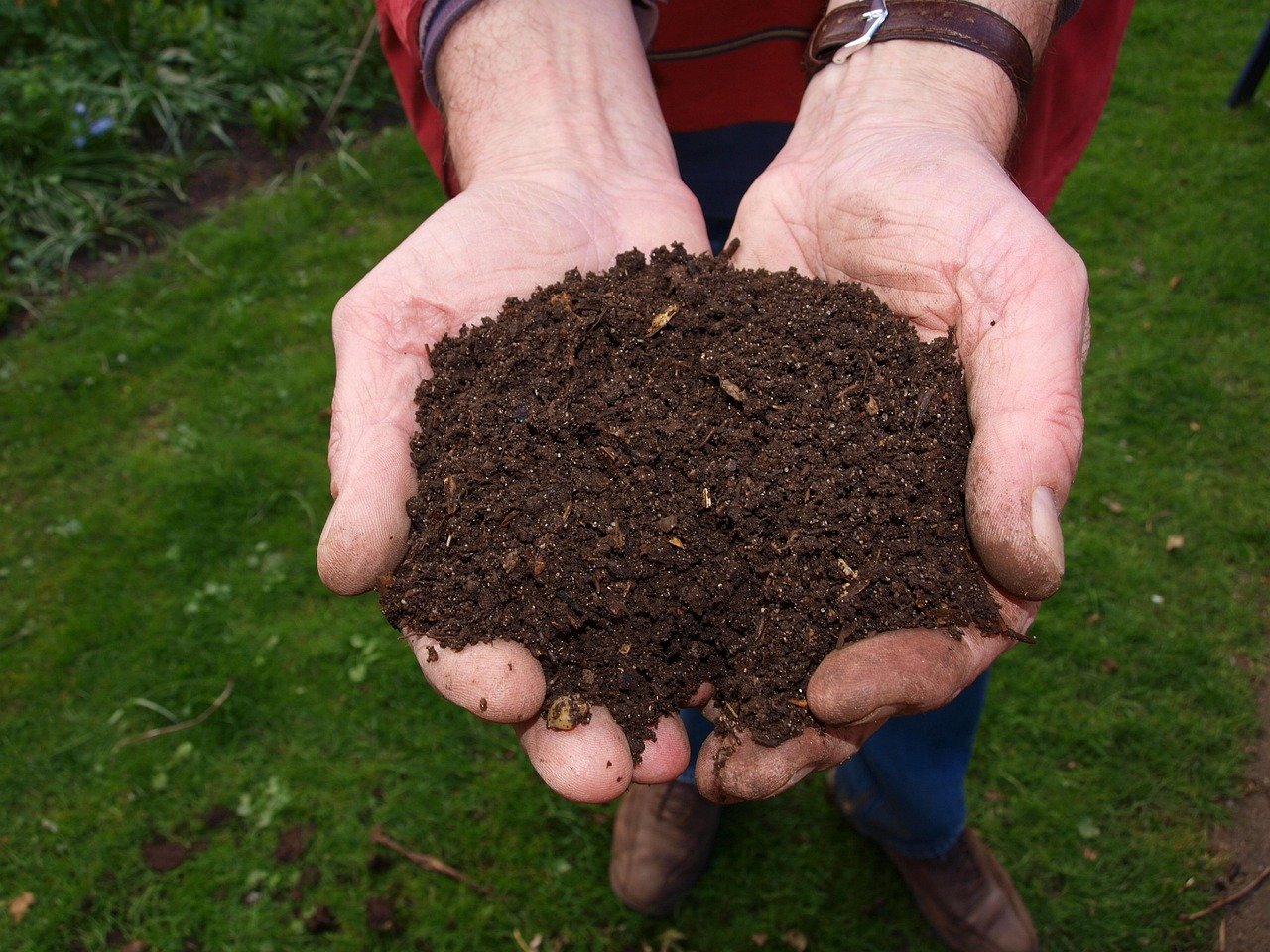
    watermelon growing in lush garden compost

    We often take for granted that the fruits and vegetables we consume derive their nutrients from the soil. Ancient traditions remind us that all living things, including humans, come from the soil and return to it. However, with rapid urbanization and the inability of governments to manage growing waste, organic matter like vegetable peels, fruit waste, and even fish bones end up rotting in landfills. This disrupts the natural soil cycle, depriving the earth of essential nutrients.

    When organic waste decomposes anaerobically in landfills, it produces methane, a potent greenhouse gas. This process prevents the waste from returning valuable nutrients to the soil, disrupting the nutrient cycle. By not composting organic waste, we miss the opportunity to enrich the soil and reduce our carbon footprint.

    The Hidden Impact of Organic Waste

    When organic waste decomposes anaerobically in landfills, it produces methane, a potent greenhouse gas. This process prevents the waste from returning valuable nutrients to the soil, disrupting the nitrogen cycle and contributing to nitrogen pollution. By not engaging in organic waste recycling through methods like composting, we miss the opportunity to enrich the soil and reduce our carbon footprint. Moreover, less than 2% of the nutrients in urban waste streams are currently recovered and recycled back into our food system, leading to a broader nutrient cycle disruption.

    Understanding the Natural Nutrient Cycle

    The nutrient cycle is nature’s way of recycling organic matter, breaking it down into nutrients that are absorbed by the soil and used by plants to grow. This cycle is vital for maintaining soil fertility, supporting healthy plant growth, and ensuring that ecosystems thrive. However, the balance of this cycle is delicate and can easily be disrupted.

    For instance, agriculture significantly contributes to this disruption by releasing around 5 million metric tons of nitrous-oxide annually—a greenhouse gas that accelerates global warming and contributes to nitrogen pollution. When the carbon and nitrogen cycles are disrupted, it impacts soil health and has far-reaching consequences for our environment.

    Soil Health and the Role of Organic Matter

    Organic matter is the lifeblood of soil health, promoting robust plant growth and maintaining the soil’s structure. When organic waste is composted, it returns essential nutrients to the soil, closing the nutrient loop and enhancing soil fertility. Unfortunately, when organic matter ends up in landfills, it not only contributes to methane emissions but also robs the soil of nutrients that are critical for life.

    Composting is a sustainable method of processing organic waste, transforming it into nutrient-rich compost that can improve soil health. However, decentralized composting faces challenges, particularly when mixed waste collections reduce the quality of organic waste, making it harder to produce high-quality compost or biogas. Contaminated compost can also introduce harmful substances like heavy metals, pathogens, and nutrient imbalances into the soil, posing risks to plant growth and soil sustainability.

    The Inefficiency of Synthetic Fertilizers

    The reliance on synthetic fertilizers compounds the problem. Shockingly, as little as 20% of the nitrogen applied to agricultural land is absorbed by crops, with the remaining 80% lost to the environment. This inefficiency not only contributes to pollution but also highlights the shortcomings of our current nutrient management practices. The global nitrogen surplus—estimated at 130 million tons per year, more than double the safe threshold—further underscores the environmental risks we face, including the disruption of biogeochemical processes.

    How Landfills Disrupt the Nutrient Cycle

    Sending large amounts of organic waste to landfills, rather than composting it, leads to significant nutrient loss. In 2019, food waste alone accounted for 50-60% of the 242 million tons of municipal solid waste produced in China, highlighting the scale of the problem. When organic matter decomposes in landfills, it produces methane instead of enriching the soil, further exacerbating the problem.

    The inefficiency of our current waste management practices is evident in the staggering amount of food waste that is generated globally—14% lost from post-harvest to retail, and 17% (approximately 931 million tons) wasted by households, the foodservice sector, and retailers. This not only disrupts the nutrient cycle but also contributes to 8-10% of global greenhouse gas emissions, pushing us closer to the planetary boundaries that define safe environmental limits.

    Innovative Solutions for Sustainable Waste Management

    One promising approach to managing organic waste more sustainably is valorizing it into soil amendments like compost, biofertilizer, and biochar. These methods offer a way to recover nutrients, enhance soil fertility, and improve crop productivity. For example, using food waste-based amendments can increase soil organic carbon, improve soil sustainability, and reduce the need for commercial fertilizers, which are often linked to environmental pollution.

    However, the effectiveness of these soil amendments depends on proper management to avoid risks such as high sodium content and the presence of microplastics and pathogens. This is where true innovation come into play. By focusing on wet waste management at the source, Mankomb and similar initiatives can prevent contamination, ensuring that organic waste is effectively converted into valuable resources, thus closing the nutrient loop and tackling some of the most pressing climate challenges.

    The Environmental Impact of a Disrupted Nutrient Cycle

    When the nutrient cycle is disrupted, the consequences are widespread. Nutrient loss leads to declining soil fertility, making it increasingly difficult for plants to grow without synthetic fertilizers. This decline in soil health has a direct impact on agricultural productivity, often resulting in the overuse of fertilizers, which in turn contributes to nitrogen pollution.

    The disruption of the nutrient cycle also causes broader ecosystem imbalances, affecting biodiversity and other natural processes that are critical for life on Earth. For example, in Canada, nitrous-oxide emissions have increased by roughly 30% since the 1980s, largely due to the increased use of synthetic nitrogen fertilizers, illustrating the environmental impact of a disrupted nitrogen cycle.

    Sustainable Practices to Preserve the Nutrient Cycle

    To combat these challenges, it is essential to adopt sustainable practices like composting at both home and community levels. Composting keeps organic matter within the nutrient cycle, enriching the soil and reducing the need for synthetic fertilizers. Regenerative agriculture, which focuses on soil health and closing the nutrient loop, also offers a promising path forward.

    Additionally, waste diversion strategies such as curbside composting programs and food waste reduction initiatives are crucial. The co-digestion of municipal wastewater and food waste is another innovative approach that optimizes infrastructure use, diverts organic waste from landfills, facilitates nutrient recovery, and produces renewable energy.

    The Role of Policy and Innovation

    Governments play a key role in reducing organic waste in landfills and promoting composting. Innovative technologies that process organic waste more efficiently and return nutrients to the soil are emerging as vital tools in this effort. For instance, tackling the rise in nitrous oxide emissions, which have increased by 30% in Canada since the 1980s, requires coordinated global and local efforts, community engagement, and the adoption of innovative practices.

    Policies aimed at reducing the use of synthetic fertilizers and encouraging sustainable agriculture practices are also critical. The global nitrogen surplus and the inefficiency of synthetic fertilizers highlight the need for stronger regulations and incentives for adopting more sustainable nutrient management practices. Sustainable alternatives for food waste management, such as transforming food waste into soil amendments, can play a significant role in improving soil sustainability and reducing the environmental impact of commercial fertilizers.

    What Can We Do?

    As individuals, we can adopt sustainable habits such as home composting, reducing food waste, and supporting local composting programs to reduce our organic waste footprint. Community-led initiatives around the world have shown that preserving the nutrient cycle is not just possible but also impactful. Public education and advocacy are crucial—by raising awareness about the importance of the nutrient cycle and supporting policies that promote sustainable waste management, we can make a significant difference.

    Takeaway

    Preserving the nutrient cycle is essential for maintaining soil health, supporting agriculture, and reducing environmental impacts. By adopting sustainable practices, supporting innovative technologies, and advocating for effective policies, we can close the nutrient loop and contribute to a more sustainable future. The question remains: will we take the necessary steps to restore balance to the natural cycles that sustain life on Earth?

  • Unseen Damage: Landfills and Soil Pollution Copy

    Beyond the visible impact on air, landfills also severely affect soil quality. The reckless dumping of waste leads to soil contamination, which can cause long-term, unseen health issues. Pollutants from landfills seep into the ground, disrupting the soil’s natural balance and contributing to diseases that may only become apparent years later. This silent threat underscores the need for more sustainable waste management practices.

    Contaminated soil can affect agricultural productivity, leading to crops that are unsafe for consumption. Heavy metals and toxic chemicals from landfills can enter the food chain, posing risks to human health. The degradation of soil quality also impacts biodiversity, affecting the flora and fauna that rely on healthy soil for survival.

    The Silent Threat to Soil

    Landfills, while critical for managing waste, often cause significant and unseen damage to our environment. Beneath the surface, these massive waste repositories silently degrade soil quality, leading to long-term soil pollution. The uncontrolled disposal of waste at these sites introduces harmful pollutants in soil, disrupting its natural balance and posing severe environmental risks. This growing problem underscores the urgent need for more sustainable waste management practices.

    Soil contamination from landfills not only threatens the environment but also directly impacts our health and food security. Toxic leachate from these sites, loaded with heavy metal contamination and other hazardous substances, seeps into the soil, making it unfit for agriculture. As a result, crops grown on contaminated land can become unsafe for consumption, introducing these toxins into our food chain. Moreover, the degradation of soil affects biodiversity, endangering the plants and animals that depend on healthy soil to thrive.

    Understanding Landfills and Their Role in Soil Pollution

    Landfills are intended to be controlled environments for waste disposal, yet they often become significant sources of soil contamination. In many regions, poorly managed landfills have turned into hotspots for environmental degradation. In India alone, there are over 3,000 legacy waste dumpsites, which collectively cover more than 20,937 acres and contain around 230 million tonnes of waste. This staggering amount of waste contributes heavily to soil pollution across the country.

    The issue stems from the diverse composition of waste in landfills. These sites often hold a mix of organic waste, hazardous materials, and electronic waste. As this waste decomposes, it generates toxic leachate—a polluted liquid that forms when water filters through the waste. This leachate, rich in harmful substances like heavy metals, chlorides, and nitrates, infiltrates the soil, compromising its health and fertility. For example, the Ghazipur landfill in Delhi, which has far exceeded its capacity, is a prime example of how overburdened landfills can exacerbate groundwater contamination and soil pollution.

    The Science Behind Soil Pollution from Landfills

    The process of soil contamination in and around landfills is complex and multifaceted. Leachate management is a primary challenge, as it carries hazardous chemicals, including mercury, nickel, and chromium. When this leachate seeps into the ground, it alters the soil’s physical and chemical properties, leading to significant environmental risks. This is further complicated by the presence of microplastics in the leachate, which can interact with other contaminants, making the soil even more polluted.

    The pollutants from landfills do not stay contained. They spread through various pathways, including the migration of microplastics and other fine particles into surrounding areas. Microplastic contamination, which has been found in alarming concentrations near landfills, contributes to long-term soil degradation. Additionally, heavy metals and toxic substances from landfills can bioaccumulate in plants and animals, entering the food chain and posing serious health risks.

    Environmental Impact of Soil Pollution

    Soil pollution from landfills has far-reaching consequences for ecosystems. Contaminated soil disrupts local ecosystems by affecting plant life, wildlife, and microbial communities. For instance, the Kanjurmarg landfill in Mumbai, located near the Thane Creek Flamingo Sanctuary, has raised significant concerns about the impact of soil contamination on nearby natural habitats.

    Soil pollution is also closely linked to water contamination. Toxic leachate from landfills can infiltrate groundwater and surface water, leading to broader environmental damage. The extensive pollution from sites like the Deonar landfill in Mumbai, the largest and oldest in India, highlights the interconnectedness of soil and groundwater contamination. The introduction of microplastics and harmful chemicals into soil and water bodies can have long-term environmental impacts, threatening both ecosystems and human health.

    Human Health Risks Linked to Landfill-Related Soil Pollution

    The risks posed by landfill-related soil pollution extend beyond the environment—they directly affect human health. People living near landfills are at risk of direct exposure to toxic chemicals through soil contact. This is particularly concerning for vulnerable populations who are more susceptible to the health impacts of such exposure. The presence of heavy metals and other contaminants in the soil increases the risk of health issues, including chronic diseases and developmental disorders.

    The contamination of soil can also affect the food chain. Crops grown in polluted soil can absorb heavy metals and persistent organic pollutants, which then accumulate in the food we eat. This bioaccumulation poses serious health risks, as exposure to these toxins over time can lead to long-term health problems.

    Strategies for Mitigating Soil Pollution from Landfills

    Addressing soil pollution from landfills requires a multifaceted approach. Scientific landfill design and the use of containment systems are crucial. Modern landfills are equipped with liners and barriers designed to prevent leachate from reaching the soil. However, these technologies must be properly maintained and enforced to be effective. In recent years, municipalities have started implementing better landfill infrastructure, such as improved liners and covers, to mitigate soil contamination.

    Leachate collection and treatment are also crucial in reducing soil pollution. Advanced waste processing techniques, like those used in Indore’s waste management system, which includes a 15 MW Waste-to-Energy plant and a Bio-CNG plant, show how technology can help manage waste more effectively. Additionally, the Brihanmumbai Municipal Corporation (BMC) is taking proactive steps to address legacy waste at the Deonar landfill by treating accumulated waste to reduce soil pollution.

    Landfill remediation techniques, including soil washing, phytoremediation, and bioremediation, are essential for restoring soil health. Mankomb has been instrumental in promoting wet waste management at the source, showing that effective waste segregation can significantly reduce the burden on landfills. This approach not only prevents the mixing of organic waste with hazardous materials but also contributes to sustainable waste management practices. The future of waste management lies in innovative solutions like those from Mankomb, which offers hope for a cleaner, healthier planet.

    Sustainable Waste Management Practices

    To tackle the challenge of soil pollution from landfills, we must focus on sustainable waste management practices. Reducing waste generation and increasing recycling are critical steps. By diverting waste from landfills, we can minimize soil contamination and protect the environment. Waste segregation plays a vital role in this process, as it helps separate hazardous waste from organic waste, preventing contamination.

    Composting is another effective strategy for managing organic waste. By composting, we can divert organic materials from landfills, reduce the generation of toxic leachate, and improve soil quality. Proper management of organic waste is a simple yet powerful way to reduce the amount of waste that ends up in landfills.

    Innovative waste management solutions, such as waste-to-energy and circular economy principles, offer promising ways to minimize landfill use. These approaches can significantly reduce soil pollution and contribute to a more sustainable waste management system. Technologies like biomining and advanced landfill liners are also crucial in mitigating the environmental impact of waste disposal.

    What Can You Do?

    Individuals and communities play a crucial role in reducing waste and preventing soil pollution from landfills. Simple actions like reducing plastic use, composting organic waste, and recycling can make a significant difference. By being mindful of waste generation and disposal, we can all contribute to a healthier environment.

    Community initiatives are vital in promoting sustainable waste management. Working together, communities can reduce their reliance on landfills and protect local soil quality. By supporting local waste management policies and advocating for better landfill management practices, we can create a healthier environment for future generations.

    Takeaway

    Soil pollution from landfills is a serious environmental issue that demands immediate attention. The contamination of soil, particularly in regions with poorly managed landfills, highlights the need for sustainable waste management practices. By reducing waste, enforcing regulations, and embracing innovative solutions, we can mitigate the impact of landfills on soil quality. The question remains: What steps will you take to protect our soil for future generations?

  • The Air We Breathe: Landfills and Greenhouse Gas Emissions Copy

    Landfills are more than just places where our waste ends up—they are silent contributors to a growing environmental challenge. Across the globe, landfills contribute approximately 1.6 billion tons of greenhouse gas (GHG) emissions each year. Among these, methane emissions stand out as a potent threat, with a global warming potential (GWP) 28 times greater than carbon dioxide. This isn’t just a statistic; it’s a wake-up call.

    Methane is emitted from decomposing biodegradable waste, making landfills significant contributors to climate change. But it’s not just about global warming. The harmful gases released from landfills also impact the air quality we breathe, especially in nearby communities. These emissions can cause respiratory problems, allergies, and other health issues, underscoring the urgent need for sustainable waste management practices. The good news? We have the power to make a difference.

    Understanding Landfills: What Happens to Our Waste?

    When we think about landfills, we often imagine vast mountains of municipal solid waste (MSW). But what really happens to our waste once it’s buried? A landfill is a designated site where waste is isolated from the environment until it’s safe. However, even after a landfill is closed, it can continue to emit methane, turning it into a methane hotspot and a persistent environmental concern.

    In countries like India, MSW is largely composed of biodegradable waste. When this organic matter decomposes anaerobically—without oxygen—it produces methane and carbon dioxide. The problem is not just the methane itself but also the fact that this process can continue for years, even decades. This is why sustainable waste management practices are essential to mitigate these emissions.

    But here’s where it gets interesting. Mankomb, a deeptech startup has been pioneering disruptive technologies to phase out biodegradable waste from landfills using AI powered aerobic processes. This not only reduces methane emissions but also transforms waste back into regenerated soil.

    The Science Behind Landfills and Greenhouse Gas Emissions

    Landfills emit two primary greenhouse gases: methane and carbon dioxide. Methane, in particular, is a major concern due to its high global warming potential. Even after landfills are closed, legacy waste dumpsites continue to emit substantial methane, making them long-term contributors to climate change.

    Take, for instance, the Ghazipur landfill in Delhi. In November 2021, this site recorded a methane leak of 156 tonnes per hour. This is not just a local issue; it highlights the urgent need for better waste management practices globally. Continuous monitoring and improved landfill management, aligned with the Solid Waste Management Rules 2016, are critical to tackling these emissions.

    The Global Impact of Landfill Emissions

    The environmental impact of landfills is not confined to one country or region. Globally, landfills are responsible for emitting 30-70 million tonnes of methane annually. In India alone, landfills contribute around 14% of the country’s total methane emissions. This is alarming, especially considering the increasing volume of urban waste generated every year.

    But there’s hope. Innovative solutions are emerging. Companies like Mankomb are leading by example, showing that with the right practices, we can turn this around. By promoting composting, recycling, and the use of refuse-derived fuel (RDF), they’re reducing the environmental hazards associated with traditional landfills.

    Current Solutions and Innovations in Reducing Landfill Emissions

    There are several strategies available today to reduce landfill emissions, and many of them are already being implemented with great success.

    One effective approach is methane capture. This gas can be used as a renewable energy source, significantly reducing methane emissions. With the right technology, 30-60% of landfill gases can be captured and converted into energy. This is not just good for the environment; it’s also a potential revenue stream for communities.

    Another promising solution is waste diversion. By diverting biodegradable waste away from landfills and into anaerobic digestion facilities, we can produce biogas and reduce methane emissions simultaneously. This approach is not just theoretical; it’s being practiced in communities around the world.

    Innovative technologies like biocovers, anaerobic digesters, and biochar are also making a difference. These technologies help to further reduce landfill emissions and manage waste more sustainably. With continued investment and adoption, they could play a critical role in the future of waste management.

    The Role of Policy and Regulation

    Governments around the world are beginning to recognize the importance of regulating landfill emissions. While some countries have signed the Global Methane Pledge to reduce emissions by 30% from 2020 levels by 2030, others, like India, are focusing on sector-specific strategies.

    In India, the Clean India Initiative aims to transform garbage mountains into green zones. This is a commendable step, but there’s still a long way to go. Stronger regulations and better enforcement are needed to curb landfill emissions effectively. Sustainable waste management must become a national priority, especially as the country’s waste generation is expected to rise dramatically in the coming decades.

    What Can Individuals and Communities Do?

    It’s easy to feel overwhelmed by the scale of the problem, but individual actions can have a big impact. By embracing the principles of reducing, reusing, and recycling, we can all help to decrease the amount of waste that ends up in landfills and reduce our carbon footprint.

    Communities can also make a difference. Mankomb is proving that managing wet waste at the source can lead to significant results. By promoting composting, recycling, and awareness campaigns, communities can reduce the amount of waste sent to landfills and contribute to climate change mitigation.

    Looking Forward: The Future of Waste Management

    The future of waste management lies in innovation and sustainability. Technologies that can transform waste into energy or useful products will be crucial in reducing landfill emissions. Large-scale anaerobic digestion facilities, improved landfill gas capture systems, and other innovative solutions represent significant opportunities for the future.

    But it’s not just about technology. We need to embrace a circular economy—an economy where waste is minimized, and resources are reused and recycled. This approach not only addresses environmental impact but also creates economic opportunities, fostering a more sustainable and resilient world.

    Takeaway

    Landfills are significant contributors to greenhouse gas emissions, particularly methane. But with better waste management practices and innovative technologies, we can address this issue. It’s up to all of us—individuals, communities, and governments—to take action.

    The air we breathe depends on the choices we make today. Are we ready to make the change?

  • Out of Sight, Out of Mind: The Reality of Landfills

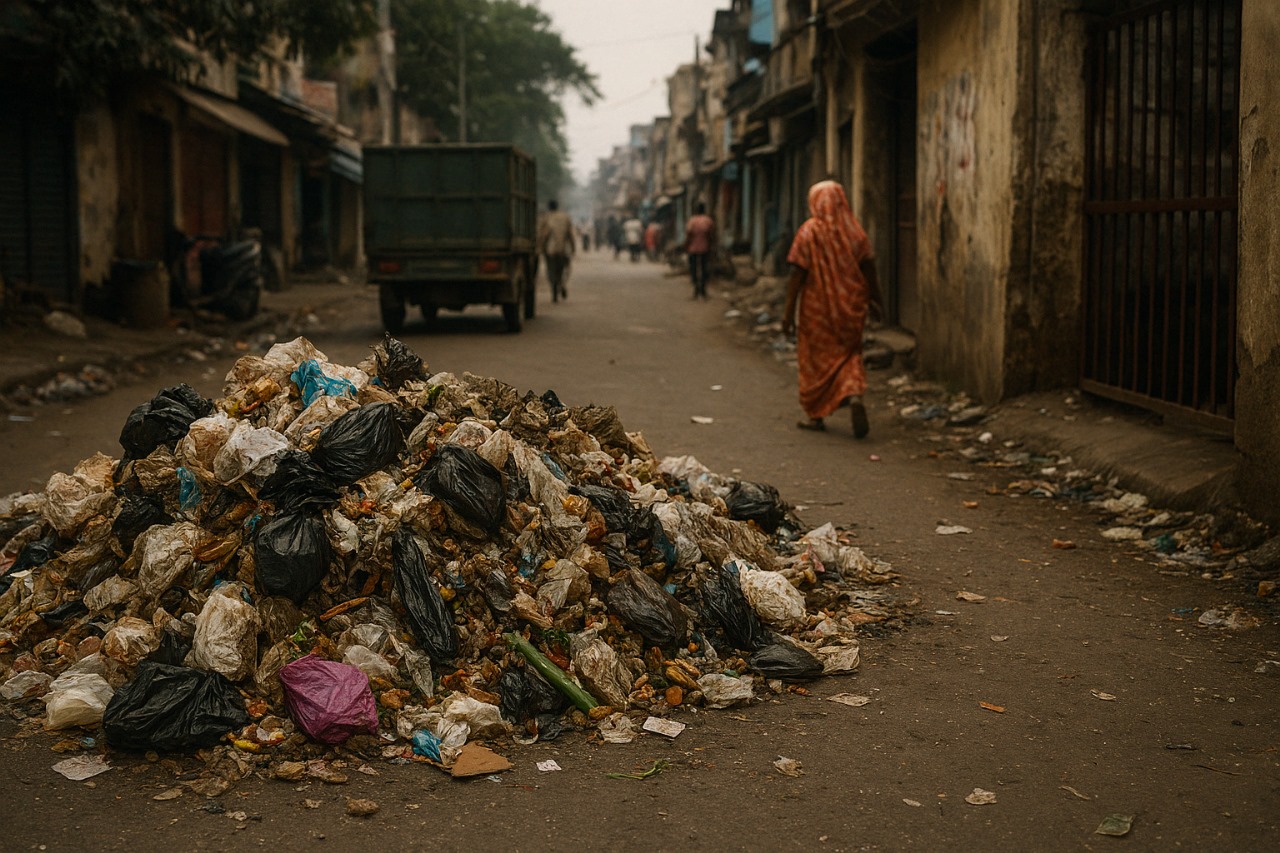
    Ever wondered what happens to the garbage we throw away every day? In Bangalore, for instance, around 4,000 to 5,000 tons of solid waste are generated daily, most of which ends up in landfills. While landfills are essential for waste management, they have significant environmental impacts, from releasing methane gas to contaminating soil and water.

    In many parts of the world, the waste collected from households is often dumped into landfills, out of sight and out of mind for most of us. However, recent news has highlighted growing public discontent with these practices. For example, in 2024, protests erupted in India against the overflowing landfills in the outskirts of Delhi. A similar protest left the tech city Bengaluru stinking for weeks when residents of Mittaganahalli protested against landfills near their villages. Similarly, UK residents near Fleetwood landfill voiced their concerns over health risks and pollution , while in the United States, communities near the Bridgeton Landfill in Missouri protested against the toxic fumes affecting their daily lives. The landfill fire in Alabama last year polluted the air for miles and sickened people and animals far and wide.

    These protests highlight a global issue: the impact of landfills on local communities is becoming increasingly difficult to ignore. People living near these sites are raising their voices, demanding better waste management practices and more sustainable solutions. This is not just a local issue; it’s a worldwide challenge that requires our immediate attention.

    Understanding Landfills

    Landfills are designated areas for waste disposal, with different types serving various purposes, such as sanitary landfills for household trash and industrial landfills for commercial waste. Unlike traditional open pits, modern landfills are designed to contain waste and prevent environmental contamination, although this also means the waste does not decompose as it might in other settings.

    Environmental Impact

    Methane Emissions: When organic waste decomposes in the absence of oxygen in landfills, it releases methane, a potent greenhouse gas. Methane is much more effective at trapping heat in the atmosphere than carbon dioxide, making it a significant contributor to climate change. Landfills generate a mix of gases, with methane making up about 50%, carbon dioxide about 45%, and water vapor about 5%, accounting for approximately 12% of global methane emissions. This level of emission is equivalent to the pollution from 23.1 million gasoline-powered cars each year.

    Leachate: As waste breaks down and rainwater filters through landfills, it creates a toxic liquid known as leachate. This liquid can seep into the ground, contaminating soil and groundwater and posing serious environmental and health risks to nearby communities.

    Contamination: The toxic substances in landfills can leach into the surrounding environment, affecting both ecosystems and human health. Heavy metals and other pollutants can enter the soil and water, impacting plant and animal life and potentially entering the food chain. In the U.S., landfills receive about 146 million tons of waste annually, which amplifies these problems.

    Space Issues: The growing volume of waste is leading to a shortage of landfill space globally. Some estimates suggest that we are running out of landfill space at a rate of one per day worldwide.

    Waste Management Practices

    Modern waste management strategies, such as recycling and composting, are crucial for diverting waste away from landfills and reducing their environmental footprint. For example, municipal garbage trucks collect waste from 300-500 households per trip, amounting to approximately 8-10 tons per load, illustrating the vast amounts of waste managed daily.

    Innovations in waste management, such as methane capture systems, allow us to convert landfill gas into energy, thereby reducing harmful emissions. Additionally, waste-to-energy technologies and improved recycling processes are transforming how we deal with waste. Plastic bags, for instance, can take 10 to 100 years to degrade in landfills, while glass takes even longer, emphasizing the need for better recycling efforts. Some landfills are equipped to capture methane and convert it into energy, which helps mitigate their environmental impact.

    Companies like Mankomb are leading the way with innovative solutions like their fully automatic home food waste management appliance. This technology significantly reduces the amount of organic waste that ends up in landfills, addressing the issue at its source.

    Future Trends and Sustainability

    The future of waste management involves reducing waste, increasing recycling rates, and adopting zero-waste living practices. These efforts not only protect the environment but also promote a more sustainable society. There is a growing call for waste reduction, more recycling, and holding producers accountable for single-use plastics.

    Effective waste management also depends on robust policies and regulations. Governments must enforce stricter landfill regulations and support recycling and composting initiatives. Judicial actions, such as those by the Karnataka High Court that led to the creation of the Municipal Solid Waste Management Rules in 2016, can drive significant improvements. Often, effective waste management solutions require judicial intervention and sustained public pressure.

    Public awareness and community involvement are vital for reducing landfill waste. Grassroots movements and local initiatives are key to promoting sustainable practices.

    Takeaway

    While landfills are a critical component of our waste management system, their environmental impact is a serious concern. By adopting better waste management practices, embracing technological innovations, and engaging in community efforts, we can mitigate these effects.

    Everyone can play a role by recycling more, supporting environmental policies, and using innovative solutions like Mankomb’s home food waste management appliance.

    With ongoing advancements and collective efforts, we can envision a future where waste management is more sustainable and environmentally friendly. How will you help reduce landfill waste in your community?