Category: Uncategorized

  • Stench of Misconception: How India’s True Colors Defy Dirt and Decay

    It is a paradox that a nation famed for its vibrant festivals, architectural marvels, and centuries-old traditions should so often be labeled “dirty.” From colonial-era photographs highlighting squalor to modern-day media fixations on polluted rivers and overflowing garbage heaps, India faces a persistent, oversimplified portrayal of filth and decay. Historically, India embraced rigorous hygiene: the Indus Valley Civilization had advanced drainage systems, and many ancient texts refer to detailed sanitary rituals. Over time, however, rapid population growth, uneven urban planning, and a lingering colonial lens helped perpetuate stereotypes of a country perpetually drowning in its waste. Today, as India’s mega-cities strain under the weight of exploding populations, and as the world seizes upon shocking visuals of open defecation or toxic smog, the old question reasserts itself: Is India doomed to be “dirty,” or can a nation of this scale and diversity forge a future defined by cleanliness and sustainable living?

    Colonial Hangovers and Modern Media

    The stereotype of “dirty India” began with the British Raj. Colonial administrators, missionaries, and travel writers documented scenes of open defecation, chaotic urban centers, and unfamiliar cultural practices, framing them as evidence of an uncivilized land. These narratives persisted, serving both to justify colonial rule and to satisfy Western curiosity about the “exotic East.”

    Fast-forward to the present, and international headlines still selectively spotlight India’s worst pollution episodes. Films like Slumdog Millionaire – though artistically acclaimed – can reinforce the idea that squalor is all-encompassing. Media rarely features the steady rise of neighborhood cleanups, or the sophisticated metro lines crisscrossing modern Indian cities, or Kerala’s successful waste-segregation policies. The result? A skewed perception that has overshadowed centuries-old sanitation traditions and modern strides in infrastructure.

    Historical Roots and the Caste Factor

    Beneath India’s modern-day waste management dilemmas lie historical inequities, especially tied to caste. Long before colonial rulers arrived, India had varied local systems of sanitation. Yet, over centuries, those most directly involved in handling waste and manual scavenging came disproportionately from Scheduled Castes (SCs) and Scheduled Tribes (STs). Today, this grim reality persists in many parts of the country.

    Although states like Karnataka implemented a law against manual scavenging in 1975 – well before the National Employment of Manual Scavengers and Construction of Dry Latrines (Prohibition) Act of 1993 – the practice endures. Many areas without underground drainage continue to rely on workers (often Dalits) to clear soak pits or remove “night soil” by hand. According to one study cited by journalist and filmmaker Nupur Basu, around 1.3 million Dalits are still involved in this inhuman practice. Further, recent data indicates that at least 28 manual scavengers in Karnataka died of asphyxiation over the last two years while working in manholes or related sites.

    The reasons are many:

    • Insufficient Infrastructure: Roughly 87% of the state has no underground drainage network, rendering costly jetting machines irrelevant in many areas.

    • Caste-Based Stigma: Even where automation exists, the deeply ingrained notion that certain communities “ought” to handle waste perpetuates manual scavenging.

    • Lack of Media Coverage: Though occasional news items highlight tragic deaths or show the horrors of raw sewage disposal, sustained coverage is rare, overshadowed by more commercialized stories.

    These historical injustices mean that while India wrestles with the public perception of “dirt,” many of those who do the literal dirty work remain caught in a cycle of caste-based marginalization.

    The Infrastructure Conundrum

    Dismissing India as “dirty” ignores a deeper truth: Indian cities grew at breakneck speed, often outpacing municipal planning. The arrival of millions of rural migrants to urban hubs like Delhi, Mumbai, and Bangalore has tested even the most robust city services, especially those related to sanitation. Where critics see indifference, many Indians see an infrastructure deficit – exacerbated by scarce public dustbins, limited sewage capacity, and overburdened waste collection systems.

    Yet, the tide is turning. Government-led initiatives such as Swachh Bharat (Clean India) Mission have constructed millions of toilets, drastically reducing open defecation in rural areas. Urban neighborhoods are adapting too: cities such as Bangalore now enforces stricter waste segregation rules, and civic bodies partner with local entrepreneurs to create efficient garbage disposal strategies. These interventions might not be uniform across all states, but they signal a fundamental shift in public priorities

    Culture, Customs, and Contrasts

    India’s association with “dirt” also arises from cultural misunderstandings. Traditional practices – such as eating with one’s hands or using water instead of toilet paper – may appear unhygienic through a Western lens. In reality, Indian customs frequently emphasize personal cleanliness; consider ritual bathing before prayers or the deeply ingrained sense of purity around cooking.

    At the same time, there is a confounding “circle of trashing” at play. Many Indians who travel abroad become paragons of cleanliness, yet at home, they may litter or ignore recycling norms. As noted in a 2019 Times of India article, “When the same Indians travel abroad they display exemplary standards of cleanliness and do not dare to litter”. This paradox stems partly from inadequate local infrastructure and partly from a deep-rooted societal notion that “someone else” should be responsible for public spaces. Transforming this mindset requires not just more garbage bins but also educational campaigns and the shared conviction that streets, parks, and rivers belong to everyone.

    Tolerance for the Unpleasant

    An anecdote that captures the true resilience of Indians is the testing of the Israel “stink bomb” in India. The “Skunk”, a non-lethal weapon used for crowd control, emits a foul smell that is eerily close to sewage. The Skunk has proven effective in other countries, including Israel where it has been used against Palestinian protesters since 2008. But when the skunk was tested in India, the subjects were unfazed, thus failing the test.

    According to a 2017 report by The Times of Israel, when the Central Reserve Police Force (CRPF) tested the stink bomb on a captive crowd in Delhi, the participants “managed to tolerate the smell without much difficulty.” The Skunk, often described as smelling like a “rotting corpse from a stagnant sewer” was meant to replace more harmful crowd control methods in Kashmir but proved ineffective due to India’s higher threshold of tolerating stench. While this incident underscores the severity of India’s odor issues, it also suggests a desensitization born out of daily encounters with uncollected waste or poorly maintained sewage lines.

    However, this capacity to endure unpleasantness is not an immutable flaw. If the problem partly stems from high thresholds of tolerance, it can be addressed by elevating public expectations for cleanliness through legislation, robust municipal governance, and persistent public education.

    Global Comparisons: Lessons from Home and Abroad

    India is far from the only country wrestling with massive sanitation challenges. Rio de Janeiro, Jakarta, and Manila struggle with their own inadequate waste systems and ecological crises. Yet some nations have pioneered solutions that blend infrastructure with communal involvement.

    • Japan: Notoriously clean despite minimal public dustbins – citizens embrace a culture of carrying their own trash until it can be properly sorted and disposed of.

    • Bangladesh: Shifted from rampant open defecation to near-total eradication through rural sanitation drives and community participation.

    • Singapore: Demonstrates how strong policy enforcement and public discipline can transform a once-chaotic harbor town into one of the world’s cleanest cities.

    India, too, is innovating. Municipalities experiment with “pay as you throw” waste schemes to disincentivize landfill overuse. River-restoration initiatives like Namami Gange combine industrial regulation with citizen involvement, mirroring the success of rivers rehabilitated in Europe. Corporate Social Responsibility programs also accelerate the push for cleaner streets and better waste management – an indication that sustainable development is increasingly viewed as good economics.

    Summary

    India’s “stench of misconception” traces back to a potent mix of colonial legacy, infrastructure shortfalls, caste-based injustices, and media oversimplification. Reality is more layered: even as the country grapples with the outsized demands of a billion-plus population, progressive policies, grassroots cleanups, and cultural reevaluations challenge the notion that India is irrevocably unclean. Unseen by many global observers, a renaissance in civic pride is underway – young volunteers restoring lakes in Bangalore, entire communities in Tamil Nadu embracing composting, and policy experiments redefining urban sanitation.

    Final Thoughts

    Who is to blame when the roads cry for relief under the weight of our disregard? Who shares the guilt when city sidewalks weep for respite from the day’s endless stream of garbage? Who is this invisible littering Maamu? Is it the government’s oversight – or each of us, turning a blind eye? Every single street, every river gasping for oxygen, bears witness to our choices. If you find yourself in a position to support or drive change, do so – by organizing a neighborhood cleanup, championing waste-segregation drives, or simply refusing to litter in public. Small yet consistent measures can spark a collective transformation.

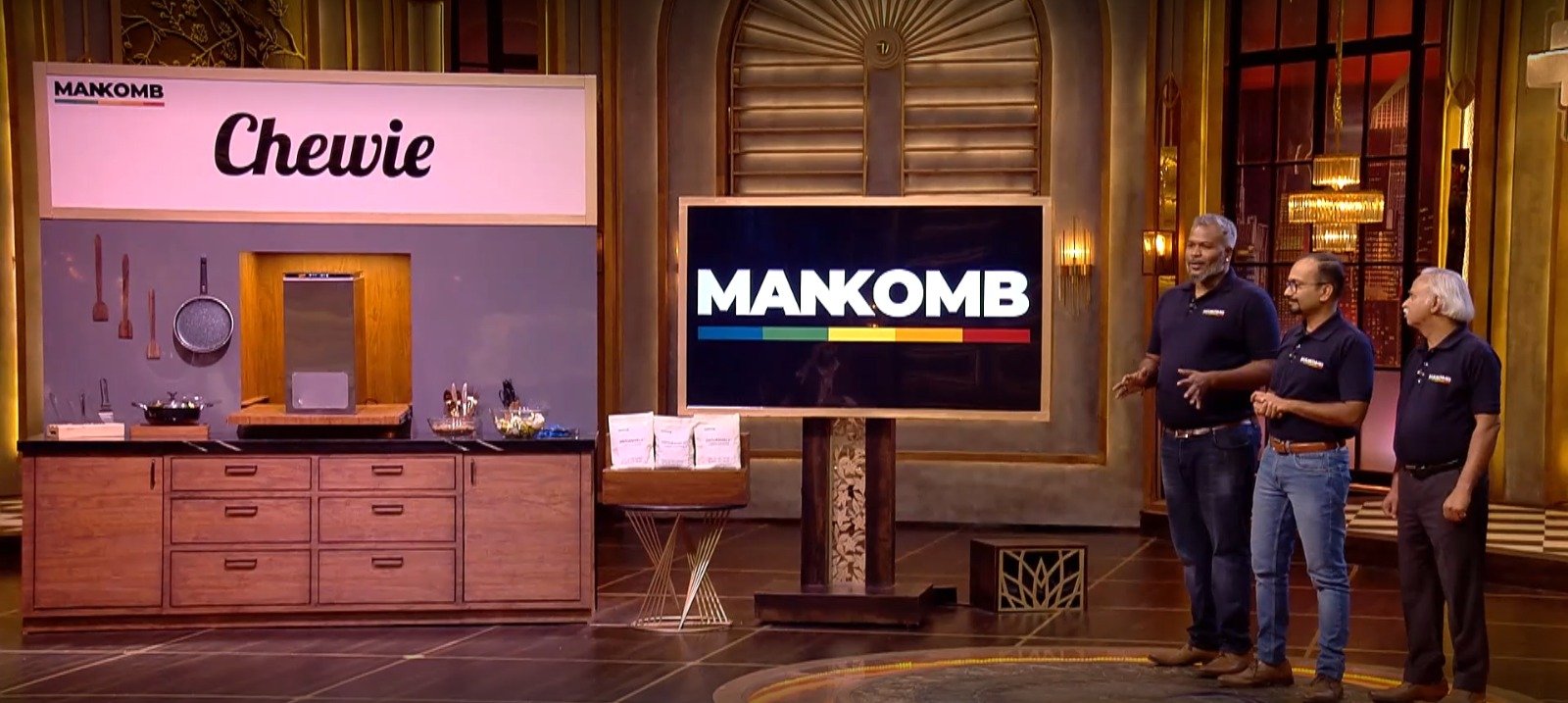
    India should not defined solely by images of filth and decay. Ultimately, transcending outdated stereotypes requires a shift in both mindset and technology. From the revival of ancient Indian sanitation wisdom to modern AI-assisted solutions for wet waste management like Mankomb’s “Chewie”, India has the tools to reclaim a bright, clean future. By rewriting our own narrative – one home at a time – India can reveal that its true colors are far deeper and more vivid than any caricature of dirt and decay could ever convey.

  • AI Meets Sustainability: Transforming Kitchens into Smart, Eco-Luxury Spaces Copy

    Artificial Intelligence has been at the forefront of every industry in the last few years, and the realm of home sustainability is no exception. By integrating AI-powered systems into households, homeowners are now embracing smart and environmentally conscious solutions. These systems monitor energy consumption, optimize appliance usage, and even predict maintenance needs, ensuring that every activity is executed efficiently without hassling the user. By integrating AI into households, we can create a proactive approach to sustainability and thus enable a more responsive management of resources. By using data-driven insights and machine learning algorithms, AI systems help reduce waste, conserve energy, and ultimately lower the ecological footprint of smart kitchens.

    More Time for What Matters

    Sustainability has been a buzzword for a long time now, but AI is now turning it into a tangible reality. One of the most significant advantages of AI-powered appliances is the amount of time these innovations free up in our daily lives. With AI managing mundane tasks such as cleaning and cooking, homeowners can reclaim precious hours of their day. This time reclaimed can be channeled into creative pursuits, quality family moments or simply enjoying leisure time and let’s be honest, an absolute luxury in our busy lives.

    Tech Evolution: From Manual Labor to Automated Tasks

    Modern innovations are turning chores into engaging and sometimes even enjoyable activities. AI-driven systems are designed to learn from your habits and adapt to your preferences, which leads to a more personalized experience. Tasks that once seemed heavy and difficult have been transformed into efficient processes that blend into your lifestyle effortlessly. For instance, voice-activated systems can control lighting, adjust cooking temperatures, and even play your favorite playlist while you work. This convergence of technology and daily chores not only enhances productivity but also injects a sense of fun into what were once routine activities.

    Sustainability as a Fun Lesson

    Beyond convenience, AI in sustainability offers a unique opportunity to teach children about environmental responsibility. Interactive AI systems can engage kids with real-time feedback on water or energy usage, turning lessons into a games. For example, the interactive nature of a wet waste recycler might push children to sort out their waste and throw it out themselves. This inculcates a sense of independence while teaching the child about environmental preservation. Modern innovations make sustainability a hands-on, rewarding experience, instilling discipline and eco-consciousness in a way that feels natural and fun.

    Making Sustainability the Norm

    Sustainability in modern kitchens goes further than energy efficiency and time management. It is also about how we handle our waste. Wet waste management systems like Chewie are becoming an integral part of these high-tech kitchens, making sustainability a norm rather than an option. Chewie not only processes organic waste but also contributes to the creation of Regen Soil, a valuable resource, that can be repurposed for urban gardening or green landscaping. This innovative approach to managing wet waste turns what was once viewed as a mundane, sanitary chore into an essential component of luxury living.

    Redefining Luxury: Investing in Smart Solutions

    True luxury is no longer measured by the price tag attached to products of the designer brand names. Instead, it is defined by the investment in solutions that simplify life, promote well-being, and support a sustainable future. Smart home solutions equipped with AI technologies represent this redefined luxury– where high-tech solutions lead to more free time, reduced manual labor, and a healthier environment.

    Investing in smart systems is not merely a reflection of status but a statement of values. It is an acknowledgment that the future of luxury lies in smart living: the integration of technology that empowers you to live smarter, healthier, and more sustainable. The intersection of AI with sustainability makes everyday life not just easier but richly rewarding, turning routine tasks into luxurious conveniences.

    AI is not just reshaping smart kitchens but is redefining luxury. By automating tasks, saving time, and making eco-conscious practices fun and accessible, AI is turning sustainability into a norm. For homeowners, investing in these smart solutions is more than a trend; it’s a commitment to a smarter, greener, and healthier future.

  • The Paradox of Sustainable Consumption: Can We Have It All? Copy

    Everyone takes part in the hustle of life and it’s all for a simple reason- we all want to live well. We want to enjoy the finer things in life. We want to achieve a high standard of living which often means gourmet meals, the latest gadgets, and cozy homes. But the more we consume, the more strain we put on the environment as most business models are run with a “take, make, and dispose” model. Can we indulge in life’s pleasures without the guilt of harming the planet? Are these two forces reconcilable? The answer lies in innovative technologies that seamlessly blend indulgence with sustainability.

    Consumption vs. Conservation

    Day in and day out we are caught in a tug of war: indulge in the latest gadgets, best of meals, and modern luxuries- or tread lightly on the planet we call home. Every year, 1.3 billion tons of food are wasted globally. This amount is enough to feed billions of people, yet it is left to rot in landfills, releasing methane- a greenhouse gas far more potent than carbon dioxide. Organic waste is just one piece of the consumption puzzle, but it’s an example of how our habits clash with planetary health. Every product we buy, use, and ditch piles onto the environmental strain. This dichotomy of abundance and restraint defines the sustainable consumption paradox. We crave convenience and luxury but also remember how our home demands conservation. The question here is: is it possible to find a balance?

    Technology as a Bridge: Sustainable Living, Modern Comfort

    The emergence of innovative home technologies is turning out to be a game changer today. These aren’t just gadgets for the tech-savvy but they are tools that help us live sustainably. Smart thermostats reduce energy wastage, solar panels power our homes cleanly, and efficient waste management systems tackle the problem of heaping trash head-on. These devices are a testament to the fact that sustainability doesn’t have to mean sacrifice rather it can mean smarter living.

    Imagine you’ve just hosted a lavish dinner party. The table is cleared and instead of tossing the food scraps into a wet waste bin that is hidden in a corner, you feed them into Chewie. In no time, your waste becomes Regen Soil, ready to nourish your plants. You have enjoyed the luxury of a gourmet evening and sidestepped the environmental downside with Chewie. It is a slight change with a significant impact which proves that sustainable consumption doesn’t trample the style and elegance you seek. Innovations like wet waste recyclers are a perfect example of how technology can align our love for comfort with our responsibility to the environment.

    Beyond the Home: A Bigger Impact

    The ripple effect of modern technology like Chewie goes far beyond your kitchen. If more households adopt these technologies, we could see a serious dent in landfill waste. Less trash means fewer methane emissions. Plus, turning wet waste into a resource closes the loop on resource use. It’s not just about one dinner party but it is about shifting how we live as a society.

    Can We Really Have It All?

    Coming back to the big question: Can we enjoy luxury without guilt? The answer lies in balance. Sustainable consumption isn’t about deprivation but it is about smarter choices. With modern technologies at our fingertips, we can cut waste, save resources, and still savor the comforts of modern life. Devices like Chewie show us that sustainability can be seamless, blending into our daily routines without a hitch. Despite the latest tech, the onus remains on us and our actions. It’s not all on technology but about how we shop, eat, and think about our impact. The tools are there, but the choice is ours.

  • Rethinking Consumption: The Promise of the Circular Economy Copy

    From Linear to Circular: A Paradigm Shift

    The linear economic model has driven industrial growth for a really long time but it has also led to an excessive wastage of resources. In contrast, the circular economy aims to close the loop by designing products and processes that minimize waste and maximize resource efficiency. By rethinking consumption and production, businesses and communities can transition to systems where every material is reused or recycled. The transition to a circular economy pushes people to reconsider and think carefully before consuming any product. This shift fosters innovation in areas such as product design, supply chain management, and consumer engagement.

    Rethinking Product Design: The Role of Innovation

    One of the most exciting aspects of the circular economy is how it forces the market to reinvent product design. Rather than focusing solely on aesthetics or functionality, designers now incorporate sustainability from the ground up. This means selecting materials that are either biodegradable or easily recyclable and developing products that can be effortlessly disassembled for repair or repurposing.

    Modern companies are now experimenting with modular designs that allow components to be upgraded or replaced without discarding the entire product. This not only extends the product’s lifespan but also empowers consumers to make eco-conscious decisions. Moreover, these design strategies encourage the development of new business models such as rentals or products- as- a service- that prioritize longevity and shared access over ownership.

    Business Models That Champion Sustainability

    The circular economy isn’t just about sustainable production. In fact, it is about reshaping how businesses interact with their customers. Traditional sales models are being pushed aside for subscription-based and pay-per-use services that maximize resource efficiency. For instance, companies are increasingly exploring product-sharing platforms, where a single product can serve multiple users over its lifetime. This not only reduces the overall number of products produced but also diminishes the environmental footprint associated with manufacturing and disposal.

    Such innovative business models signal a broader trend: the move toward value creation through sustainability. Instead of profiting from planned obsolescence, companies that embrace the circular economy earn customer loyalty by delivering durable, high-quality products backed by comprehensive support devices. This creates a win-win scenario where environmental benefits align with economic incentives- a core promise of the circular approach.

    A Glimpse of Smart Solutions in Action

    While the circular economy is fundamentally about changing our consumption habits, its practical implementation often relies on modern technologies. For example, smart home solutions like Chewie, seamlessly integrate sustainable practices into everyday life. Chewie, an AI-powered system optimizes the management of home wet waste. Although its primary purpose is to streamline waste processing and reduce household odors and health hazards, it also embodies the principles of the circular economy by transforming wet waste into Regen Soil. Smart solutions of this kind not only simplify home management for busy people and urban dwellers but also reinforce the goals of the circular economy and efficiency.

    Transforming Consumer Behaviour

    A critical driver of the circular economy is the shift in consumer mindset. For years, success was correlated with the volume of products consumed. Today, a growing number of consumers are prioritizing sustainability and ethical practices over sheer quantity. This trend is particularly evident among high-net-worth individuals and urban professionals who increasingly value quality, transparency, and long-term impact. Modern customers are now embracing a new idea of access over ownership. They are more likely to invest in services that deliver ongoing value rather than purchasing disposable items. This behavioral transformation is pivotal to the circular economy’s success

    Embracing a Circular Future

    The circular economy is not just a trend but it is a blueprint for long-term environmental care and resilience. By designing out waste and maximizing resource reuse we can conserve resources, reduce emissions, and foster a more sustainable economy. When industries adopt circular principles, they create ripple effects that benefit entire communities.

    As we move forward, it’s clear that the future of sustainable growth lies in creating systems where resources are continually renewed. Whether it is through innovative product design or new business models that prioritize shared access over ownership, the circular economy offers a compelling vision for a resilient and prosperous future.

  • Not All Compost is Created Equally

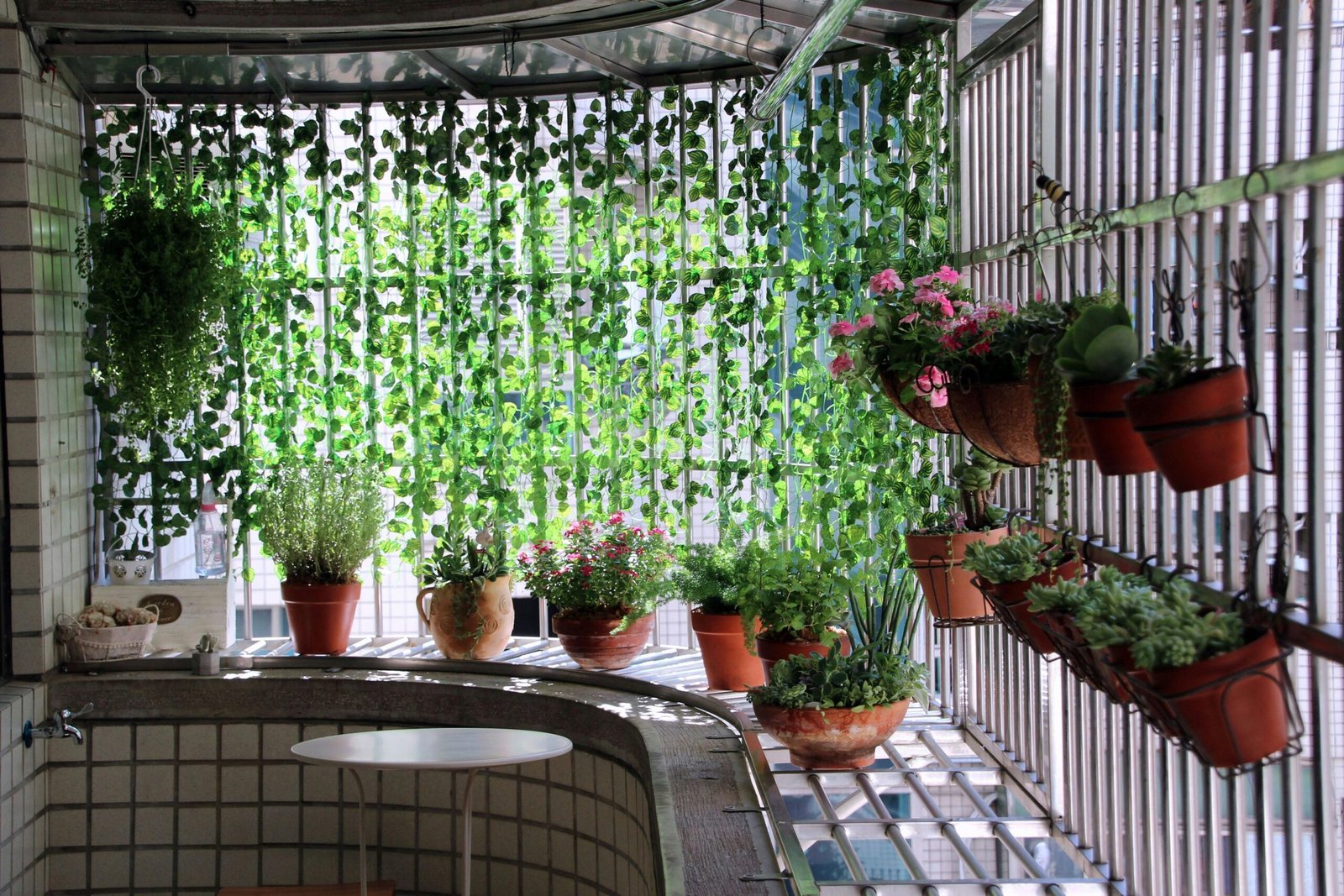
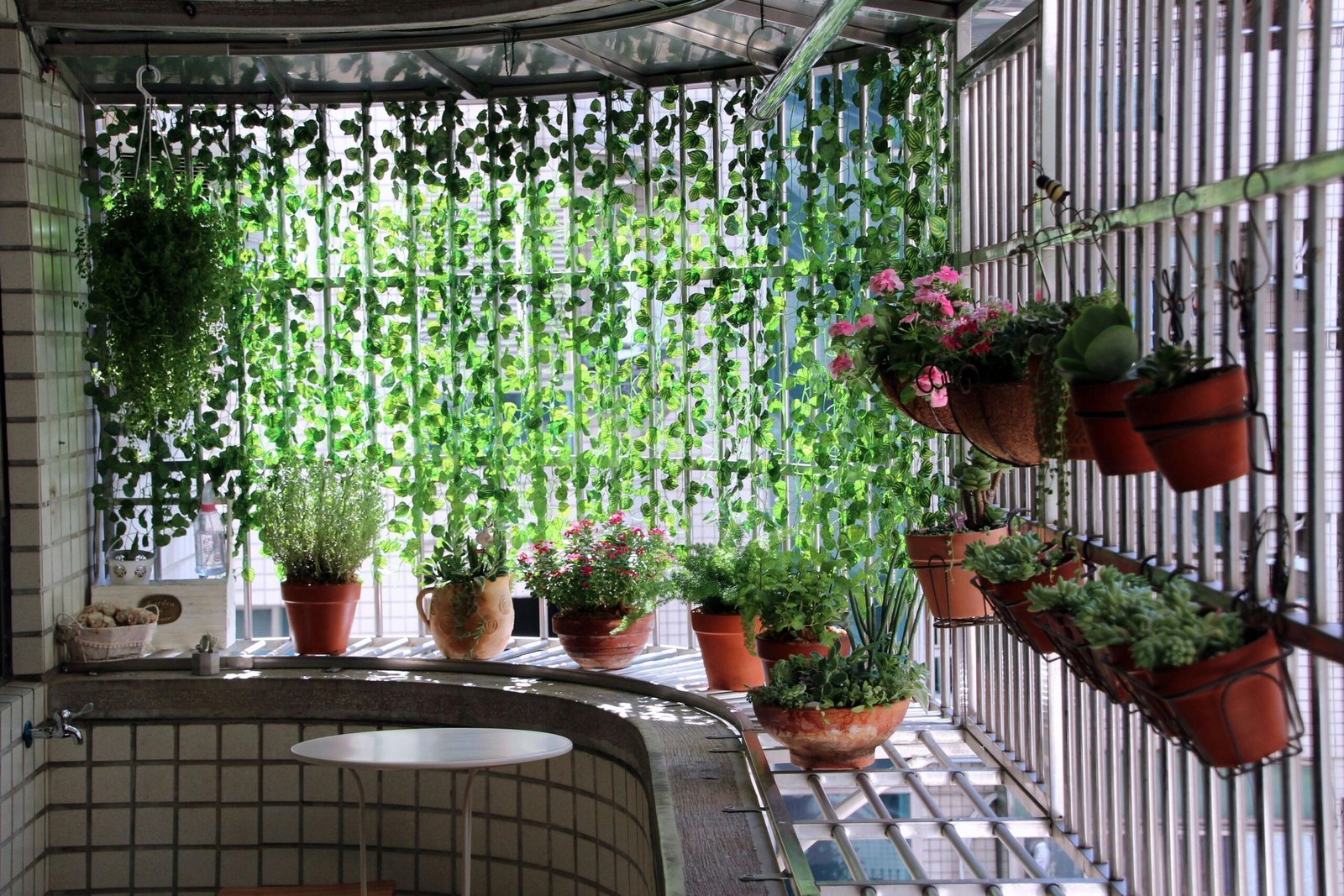
    Green plants in room

    What is Regenerated Soil?

    Not all soil additives are created equal. The wrong blend can lead to imbalances that affect plant vitality, while a premium, well-engineered soil enriches the ecosystem. High-quality regenerated soil is designed to retain essential nutrients such as nitrogen, phosphorus, and potassium, and is teeming with beneficial microorganisms. These natural allies work tirelessly to break down organic matter, improve water retention, and strengthen soil structure, all without the mess or inconvenience of traditional composting.

    Comparing Output from Various Wet Waste Recyclers

    Wet waste recyclers have revolutionized how we convert kitchen scraps and yard waste into valuable compost. However, the quality of the output can vary significantly between different systems. Many conventional systems focus on speed and volume, sometimes at the expense of nutrient retention. The compost produced by some wet waste recyclers may be less rich in microbial diversity or may not fully decompose into the stable, moist material suitable for plants.

    Several wet waste recyclers focus primarily on dehydration, aiming to reduce the moisture content of your kitchen and yard waste quickly. Unfortunately, this process can strip the organic integrity of the material, leaving behind dehydrated food scraps. These scraps often miss the essential nutrients necessary for soil fertility. When you use such a product, you may find that your plants don’t receive the nutrition they need and their health remains compromised.

    hand of compost

    How to Evaluate Soil Quality at Home

    You do not need a lab or a scientist to assess the quality of your regenerated soil. Here are some simple steps that can help you evaluate whether your regenerated soil is ready for your garden:

    1. Look and Feel: Premium soil should feel crumbly, dark, and rich—much like the loamy texture found in nature’s finest gardens. It should lack any visible remnants of raw waste.

    2. Smell: A fresh, earthy scent signals that the soil is alive with beneficial organisms. Any off-putting, chemical-like odors may indicate an imbalance or incomplete process.

    3. pH Balance: Ideal soil typically falls between a pH of 6 and 8. You can use a simple pH testing kit from a garden center to check if your soil is in this range.

    4. Nutrient Content: A refined nutrient profile, obtained through a simple home test or analysis kit, confirms that the soil is densely packed with the essential elements for plant growth.

    5. Moisture Content: The soil should be moist but should be far from soggy. Excess moisture can lead to anaerobic conditions, which might cause the soil to develop an unpleasant odor and a less desirable nutrient profile.

      By evaluating these factors, you can ensure that your output from your wet waste recycler is a positive addition to your garden’s ecosystem.

    The Future of Wet Waste Recycling

    Chewie’s Regen Soil is more than just compost, it’s a nutrient powerhouse. Chewie’s innovative wet waste management technology doesn’t just dehydrate your food scraps. Chewie’s output, Regen Soil, is not simply compost, it is a living, nutrient-dense output that closely resembles natural, healthy soil. Through a carefully controlled process, Chewie preserves essential nutrients. The result is a product that supports root development, improves water retention, and promotes overall plant health.

    The Bigger Picture: Convenience, Plant Health, and a Lower Carbon Footprint

    Integrating a wet waste recycler into your daily routine brings a trifecta of benefits. First, it makes your life more convenient by reducing the hassle of organic waste disposal. Instead of dealing with overflowing bins or frequent trips to garbage trucks or waiting for the municipal authorities to collect your waste, a wet waste recycler handles everything on-site.

    Second, by converting your wet waste into a nutrient-rich output, wet waste recyclers enhance soil fertility naturally. This means you are less reliant on chemical fertilizers, which can be harmful to both the environment and your local water supply. With regenerated soill, your garden can flourish with healthier plants, increased yields, and a vibrant ecosystem of soil life.

    Lastly, using a wet waste recycler like Chewie significantly reduces your carbon footprint. By diverting organic waste from landfills, where it would generate methane, a potent greenhouse gas, you are contributing to cleaner air and a healthier planet. It is an impactful way to participate in the fight against climate change, all while enjoying the benefits of convenience and a thriving garden.

    Whether you are looking to simplify waste management, enrich your garden, or reduce your environmental impact, investing in a wet waste recycler is a smart move. With every batch of regenerated soil, you are not just feeding your garden, you are cultivating a greener, more sustainable future. Embrace the power of high-quality soil and let your garden thrive with the natural, nutrient-packed goodness that only a dedicated wet waste recycler can provide. Explore the possibilities with Chewie and watch your garden transform into a vibrant, sustainable haven.

  • Why Bangalore’s Apartment Boom is Creating a Waste Epidemic

    Bangalore city skyline

    The Skyline’s Secret: How High-Rises Are Drowning in Trash

    Bangalore’s real estate explosion has delivered thousands of sleek new apartments, but with an oversight: there is no space to manage waste. The city’s infrastructure battles overwhelming volumes of garbage daily, mostly unsegregated. High-rises, often marketed as “modern living solutions,” push residents to mix plastic, food scraps, and non-biodegradable materials into single bins due to nonexistent segregation spaces. The result? A crisis spilling into streets, lakes, and lungs.

    The Segregation Trap: Why Apartments are Designed to Fail

    Segregation feels extremely tedious in your average apartment. Most builders treat waste zones as afterthoughts, leaving residents to battle leaky bags, pests, and guilt. Even eco-warriors surrender when faced with the choice of convenience vs effort. Why trip over bins in a congested space when everything can simply be tossed into a single bag? The system isn’t just broken – it’s a setup for failure.

    Bangalore lake

    The Midnight Dumping Crisis

    When apartments can’t segregate, waste vanishes into the shadows. Overloaded municipal trucks and erratic collection schedules push residents and contractors to dump illegally—in lakes, vacant plots, and storm drains. Remember Bellandur Lake’s toxic foam that made global headlines? That’s not an anomaly; it is the cost of systemic neglect. While BBMP cracks down with rising fines, penalties won’t fix the root issue. Apartments are not properly designed to manage waste.

    How to Hack a Broken System

    While Bangalore’s waste management buckles, wet waste management solutions offer compact, home solutions that bypass the inconvenience and empower residents to take control of their waste right at the source. Unlike the inefficient processes set in place now, Chewie is designed to fit into your house seamlessly, proving to be an effective tool for wet waste management without requiring extensive space.

    Wet waste management devices aren’t just gadgets- they are statements. Every household that adopts Chewie reduces its waste dramatically, proving that individual action can disrupt systemic failure.

    A Choice: Keep Downing or Be a Part of a Revolution

    The wet waste crisis demands a holistic strategy that combines community action, technological innovation, and infrastructural reform. For apartment dwellers facing constraints, rethinking in-home wet waste management is critical. Modern, sleek, in-kitchen solutions can ease the burden by reducing the time, labor, and odor associated with handling wet waste. Advanced features such as AI-driven computer vision for precise carbon-nitrogen calibration and temperature-controlled digestion that transforms wet waste into Regen Soil – are features that address our challenges head-on. While retrofitting advanced technology in our houses tackles our wet waste problems, there is also a need for better-designed living spaces and plans. Developers, interior designers, and architects need to integrate waste zones into building blueprints, and municipal authorities must implement policies that support effective segregation and recycling. By sharing practical solutions within community networks and holding decision-makers accountable, residents can collectively foster an environment where sustainable waste management is not an option but a norm, paving the way for a cleaner and healthier city.

    Rise Above the Rubble

    The apartment boom is a stepping stone towards a cleaner future. With modern innovations like wet waste recyclers like Chewie, we’re not just managing waste- we’re proving that cities can grow sustainably. Bangalore, India’s tech capital, deserves a skyline that doesn’t hide a secret landfill. Let’s build a legacy of clean streets, thriving lakes, and kitchens that lead the change.

  • The Luxury Lie: Why ‘Smart Homes’ Are Still Drowning in Waste

    a living room with a couch and a piano

    In a world of high-rise elegance, where luxury apartments boast smart technology and sustainable living, there’s an overlooked secret. Beneath the polished surfaces and sophisticated automation lies an overlooked challenge: managing wet waste. While residents enjoy modern conveniences, they are also burdened with the archaic chores of handling organic waste– a dilemma that not only disrupts their lifestyle but also challenges the promise of a truly smart home.

    The Illusion of Sustainable Luxury

    The luxury housing market is celebrated for its commitment to sustainability and modern innovation. From automated lighting to climate-controlled environments, these residences are marketed as the epitome of contemporary living. However, behind the gleaming facades, a significant shortcoming persists- wet waste management. In the midst of pristine interiors and high- end amenities, organic waste from everyday living becomes a stubborn problem. The inconvenience, labor, and unpleasant odor of handling wet waste starkly contradict the promise of luxurious, hassle-free living.

    Health Hazards Unmasked: The Invisible Threat in Your Home

    Neglected waste is far more than an aesthetic issue, it’s a covert health hazard. Poorly managed organic waste can foster harmful bacteria and allergens, contributing to respiratory problems and other health risks. The persistent odor not only compromises indoor air quality but also disrupts the tranquil ambiance that a luxury home is supposed to offer. Instead of being a sanctuary of comfort, your living space could be harboring unseen dangers that betray the promise of modern, healthy living.

    Beauty Betrayed: When Style Meets Unwanted Odours

    Imagine a home where every detail– from minimalist decor to state-of-the-art amenities–speaks of sophistication, yet a hidden corner is filled with the reality of wet waste decay. This dissonance creates an unsettling tension between the advertised luxury and everyday reality. This visual and olfactory impact of unmanaged waste can undermine even the most carefully curated aesthetics, reminding residents that true luxury should never come at the cost of basic hygiene and environmental care.

    Time Thief: The High Cost of Managing Wet Waste

    In today’s fast- paced urban life, time is the ultimate luxury. The painstaking process of handling, and disposing wet waste can sap hours from your day, diverting your attention from work, family, or leisure. The labor-intensive nature of this chore is at odds with the convenience promised by a smart home. In a world where every minute counts, the struggle with wet waste management not only drains your energy but, also stands as a stark contradiction to the streamlined, efficient lifestyle you expect.

    The Game-Changer in Luxury Living

    Wet waste management devices are a breakthrough solution designed to transform the waste management game in India. It isn’t just another device, it’s the epitome of innovation, merging luxury with functionality to tackle the age-old problem of wet waste.

    Smart Tech, Smarter Waste: Chewie’s AI Revolution

    At the heart of Chewie lies a state-of-the-art AI computer vision system that revolutionizes wet waste management. This intelligent system meticulously analyzes each piece of organic waste to determine the ideal balance of green and brown. By precisely calibrating the right amount of additives, Chewie ensures that every morsel of waste is processed with unparalleled efficiency–eliminating guesswork and reducing manual intervention. This advanced technology not only saves time but also preserves the pristine environment of your home, proving that luxury can indeed meet smart, sustainable solutions.

    Turning Trash into Treasure

    Chewie reimagines wet waste management by turning what was once an inconvenience into a valuable resource. Its temperature-controlled digestion chamber neutralizes odors, destroys harmful pathogens, and transforms organic waste into nutrient-rich Regen Soil. This Regen Soil isn’t just a byproduct— it’s an asset that can rejuvenate urban green spaces, enhance personal gardens, or even support community projects. By converting waste into wealth, this device embodies the idea that true luxury lies in innovation that not only simplifies life but also nurtures the environment.

    Luxury Redefined: The Pinnacle of Innovation and Eco Chic

    Integrating wet waste management into your smart home isn’t just about upgrading an appliance– it’s about redefining luxury itself. This innovation represents the convergence of convenience, cutting- edge technology, and environmental responsibility. It is a testament to the modern lifestyle, where every element of your home reflects a commitment to efficiency, health, and sustainability. With Chewie, luxury transcends aesthetics; it becomes a statement of smart living, where every detail is engineered to enhance your quality of life.

    Waves of Change: How Smart Solutions are Transforming Modern Living

    Luxury today is not merely about high-end finishes or advanced gadgets– it’s about curating a lifestyle that harmonizes efficiency, health, and environmental stewardship. The shortcomings of current waste management practices in high-end homes serve as a wake-up call, highlighting that beneath the glossy veneer of sustainable living lies a need for genuine innovation.

    By adopting wet waste management solutions, homeowners make a powerful statement. They choose a future where the convenience of smart technology does not come at the expense of the environment. Chewie isn’t just an appliance; it’s a movement– a catalyst for change that transforms everyday challenges into opportunities for progress. With Chewie, every home becomes a beacon of modern luxury, setting new standards for what it means to live in a stylish yet sustainable manner.

    Luxury is evolving. Let your home be the ultimate statement of modern sophistication and eco-conscious living. Checkout Chewie today and join the movement that is reshaping the future of luxury living.

  • Green Dreams, Grey Realities: Why Sustainability Feels Like an Uphill Battle in India

    In a country pulsating with life and relentless ambition, the quest for a sustainable lifestyle often feels like fighting an invisible enemy. The dream of a cleaner and greener tomorrow clashes with the realities of everyday life, where systemic challenges and deep-rooted habits create a maze of obstacles. Let’s dive into why being sustainable in India isn’t as simple as it sounds:

    A Consumer- Driven Economy Thrives on More, Not Less

    Modern Marketing isn’t just about selling products– it is designed to keep us in a never ending cycle of consumption. Recycling, upcycling, or even just making do with what you already have does not contribute to profit margins. Every new gadget, trendy outfit, or one-time use item is strategically marketed to create a desire that eclipses our intentions to reuse and recycle. This consumerist engine keeps churning out products that sideline sustainability in favor of profit.

    The Relentless Pressure to Keep Up

    In a society where success is often measured by the latest trends and visible markers of achievement, people are in a race- not just for money, but for status. The car you drive, the clothes you wear, the gadgets you own– all these are markers of your social status. And unfortunately, sustainability isn’t always aspirational. It is difficult to carry a cloth bag to the supermarket when luxury brands wrap every purchase in layers of glossy packaging. When the race to outdo one another becomes the norm, eco-conscious choices often take a back seat to quick, status-driven decisions. Emerging smart solutions in waste management like Chewie help streamline everyday routines, lightening the load without compromising on status.

    Tradition Runs Deep, and Change is a Slow burn

    There’s a reason you are still handed out single-use plastic bags despite the bans. Cultural and behavioral habits do not change overnight. It isn’t easy, especially when it means overturning decades or even centuries of habits. Many practices– whether it’s throwing waste on streets, excessive use of water in rituals, or prioritizing convenience over sustainability– have been around for generations. The inertia of tradition creates an environment where innovative eco-friendly practices struggle to break through deeply ingrained behaviors and become the new norm. Modern recycling innovations are beginning to integrate into daily life, offering a seamless way to honor tradition while gently nudging sustainability forward.

    Resources Are Limited, And So Is Mental Space

    The reality on the ground is stark: resources like water, clean air, unreliable public transport– everyday life already demands a lot of effort from people. When basic necessities require extra effort, making sustainable choices becomes just another burden. Clean air and water are a privilege when you are navigating through potholes and traffic to make it to work. This scarcity for basic amenities forces many to prioritize immediate needs over the extra effort required to adopt sustainable practices. When every drop of water and breath of air counts, the commitment to a green lifestyle can quickly be sidelined. Streamlined, automated wet waste management devices such as Chewie provide a respite—helping manage wet waste effortlessly so that precious mental space remains available for what truly matters.

    Everyday Battles Overshadow the Climate Crisis

    While the global conversation talks about climate change, many in India face challenges that already feel life-threatening. Issues like job security, infrastructural deficiencies, and everyday economic pressures can overshadow long-term environmental concerns. When survival and progress depend on battling these problems– sustainability can seem like a distant luxury.
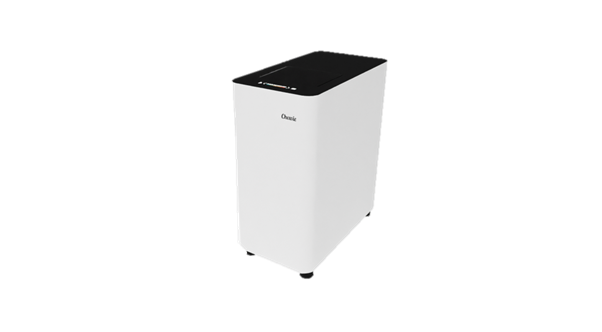
    Acknowledging these challenges does not mean giving up. It means understanding why sustainability feels difficult and working around it. The challenge lies not only in addressing environmental issues but reshaping a system that is fundamentally built on rapid consumption, intense competition, and age-old habits. By understanding the forces at play, we can begin to craft solutions like Chewie that balance ambition with responsibility, paving the way for a greener future– even amidst the grey realities of today.Sometimes, the smallest change such as the way we handle our waste can transform the burden into just another routine—paving the way for a greener future.

  • The Future of Wet Waste Management: AI, Automation, and Eco- Friendly Living Copy

    We’re living in a time where technology is evolving at lightning speed and our dedication to protecting the environment is stronger than ever. This dynamic change is transforming the way we handle waste in our homes. As city life continues to evolve, so do our methods for managing waste. Modern, smart solutions aren’t just about making daily chores simpler – they’re completely redefining our approach to everyday tasks.
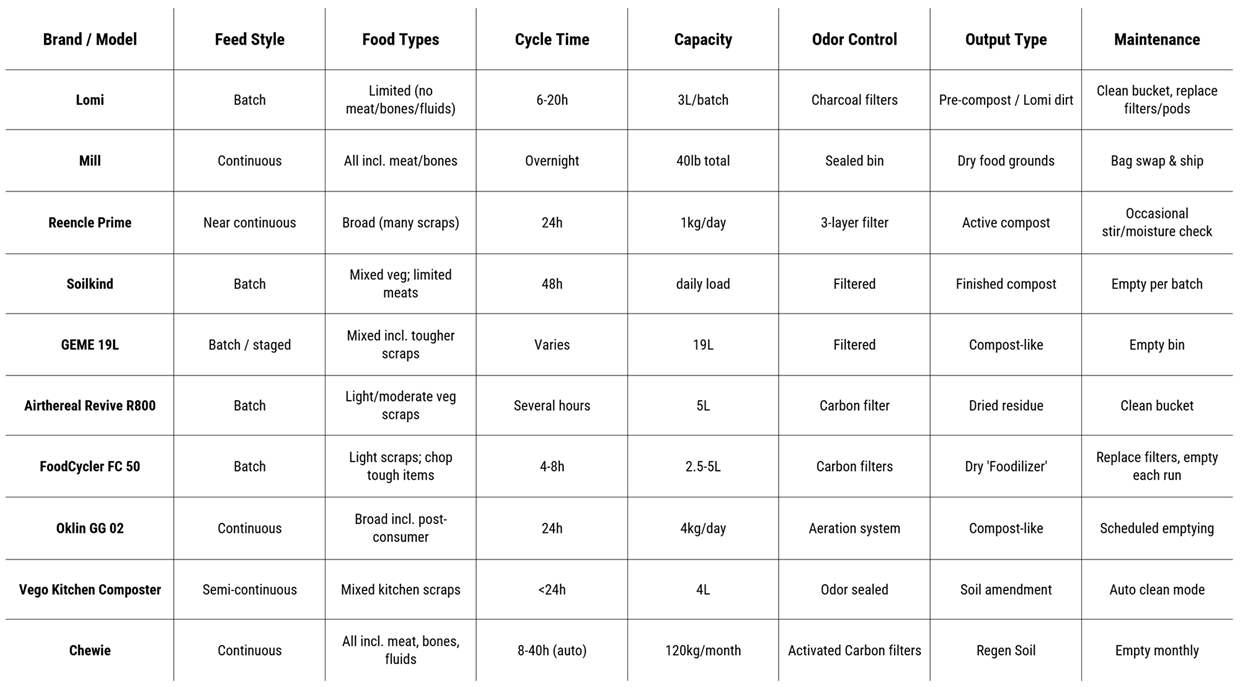
    A New Era in Wet Waste Management

    Traditional waste management practices have long relied on manual segregation, traditional composting methods, and often, the inevitable issues of odor and mess. However, emerging trends in home automation are redefining these challenges. Modern technologies now harness artificial intelligence (AI) and automation to streamline wet waste management, making it faster, cleaner, and sustainable.
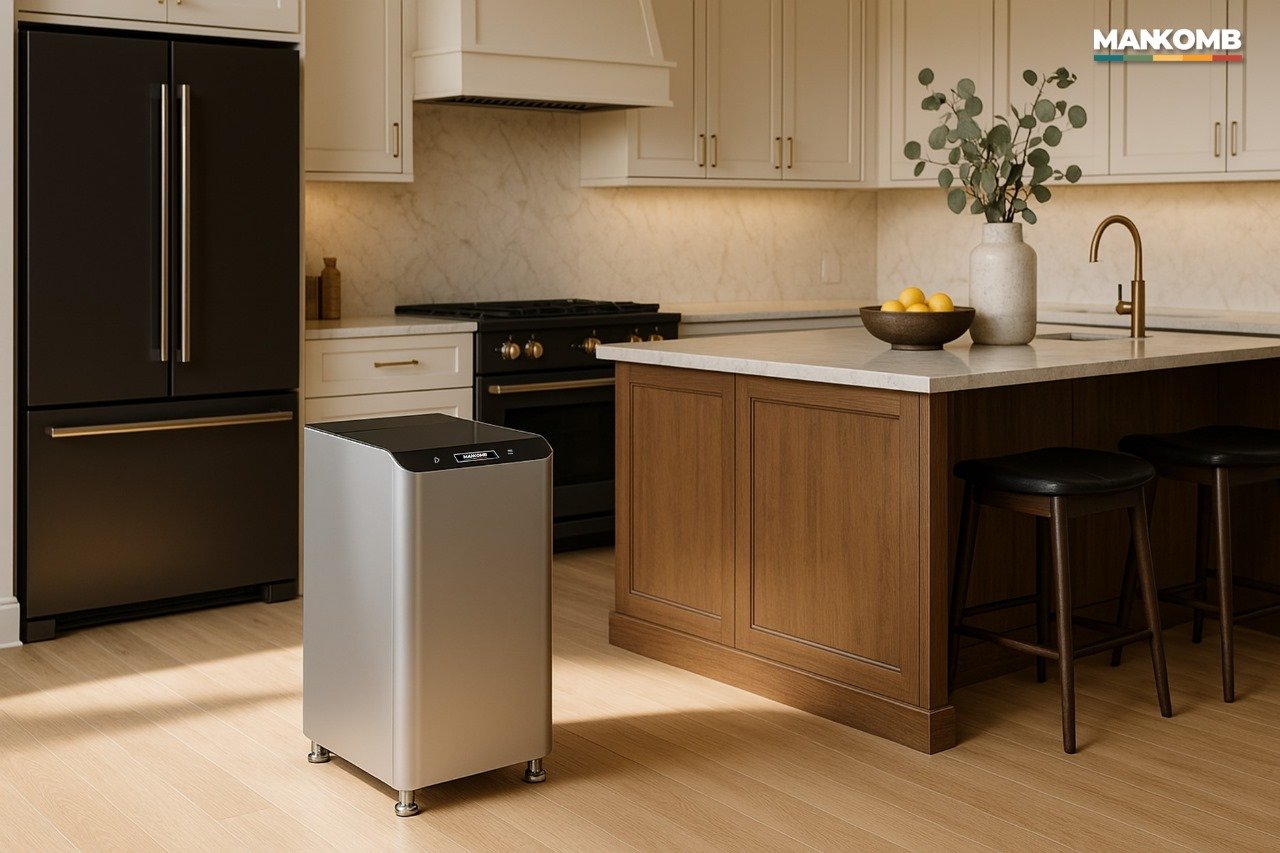
    Modern innovations in the field illustrate a future where waste is not merely discarded but is transformed into valuable resources. With rising concerns about landfill overuse and greenhouse gas emissions, such technologies offer promising solutions that make wet waste management effortless all while minimizing the environmental impact at the same time.

    AI in Home Appliances: Transforming Daily Living

    The infusion of AI into home appliances is turning daily chores into automated, intelligent processes. AI- driven devices are now capable of processing wet waste by using computer vision and smart sensors to analyze and convert organic waste into nutrient-rich regenerated soil. This precision driven approach to wet waste management not only increases efficiency but also ensures that the transformation process is consistent.

    By learning from each cycle, these systems continuously improve their performance, adapting to different types of wet waste. This data- driven evolution paves the way for an automated wet waste management future where the processing time is drastically reduced, and the end product is a nutrient-rich soil amendment that is ideal for urban households and small-scale gardening.

    Embracing an Automated Wet Waste Transformation

    One of the most exciting prospects in modern wet waste management is the shift towards a fully automated organic waste transformation. Advanced systems are now capable of converting wet waste into a high quality, nutrient-rich output in as little as 12 to 48 hours. This process leverages smart sensors, cutting-edge AI, and precision engineering to ensure that the conversion is efficient, hygienic and odor-free.

    By automating the entire process households can spend their time on things that truly matter to them, along with drastically reducing the volume of waste sent to landfills and reclaiming a valuable resource. The regenerated soil produced is ideal for urban gardens and small- scale agriculture. This transformation not only eliminates the need for manual intervention but also contributes to a circular economy by repurposing waste into a resource that enriches our surroundings.

    This breakthrough in automated organic waste transformation delivers exceptional convenience for urban households. It eliminates tedious, manual wet waste management tasks by processing organic waste and saving time. The result is a streamlined, hassle- free experience that fits perfectly with a busy modern lifestyle.

    Innovative Home Technologies for a Smarter Lifestyle

    Innovative smart devices are reshaping our daily routines by combining practicality with a commitment to the environment. Many of today’s appliances are designed with energy efficiency in mind, helping reduce our resource usage and our overall carbon footprint. They effortlessly integrate into our lives, offering benefits like quiet performance, low maintenance, and hands-free operation – all of which make living sustainably an easy and natural choice.

    Sleek and stylish, these devices fit into contemporary home designs while promoting a cleaner environment. By embracing such innovations, households can reduce waste being sent to landfills, cut energy costs, and take active steps towards a sustainable future– all without sacrificing modern comforts.

    A Cleaner Future Starts at Home

    The convergence of artificial intelligence, automation, and eco-friendly practices is setting the stage for a revolution in home waste management. By turning everyday waste into valuable resources, these forward-thinking technologies are paving the way for a future that’s not only more efficient but also kinder to our planet.

    For households striving to reduce their environmental impact without sacrificing convenience, embracing these innovative solutions is a crucial step forward. The future of wet waste management is here– smart, automated, and eco-friendly- offering a cleaner and effortless lifestyle for generations to come.

  • Traditional Composting vs Chewie: Which is Better for Your Home? Copy

    a person holding a plastic container filled with food

    In today’s eco conscious world, composting has become a cornerstone of sustainable living. For households looking to manage their wet waste effectively and reduce their carbon footprint, composting is a no-brainer. But when it comes to choosing the most efficient method, the decision isn’t always easy. Should you stick with traditional composting, or is it time to embrace modern and innovative solutions like a wet waste recycler?

    The Basics: What is Traditional Composting?

    Traditional composting is the age-old practice of breaking down organic waste- like food waste and vegetable peels into nutrient-rich compost. This process relies on natural decomposition facilitated by worms, microorganisms, and time. It is a tried and tested method that has been used for centuries to turn waste into fertilizer.

    With all that being said, traditional composting requires space, patience, and effort. You need a dedicated compost bin, the right balance of materials and regular maintenance to ensure moisture levels and proper aeration. For modern households or those with limited outdoor space, the requirements that come with traditional composting can pose a challenge.

    Enter Chewie: The Revolutionary Wet Waste Recycler

    Chewie is a game- changer in the world of wet waste management. Designed as a sleek, efficient wet waste recycler, Chewie simplifies the process of converting wet waste into regenerated soil. Unlike traditional methods, Chewie uses advanced AI powered technology to accelerate decomposition, making it faster and convenient.

    Organic waste– from vegetable peels to meat bones, anything can be tossed into Chewie without worrying about odours, pests, or the mess often associated with traditional composting. Its sleek design fits seamlessly into modern kitchens, making it an ideal fit for urban homes and eco-conscious families. Let’s dive into details and compare Chewie vs Traditional Composting to help you decide which is better for your home.

    Time and Effort: The Struggle with Traditional Composting

    One of the biggest challenges of traditional composting is the time and effort it demands. Organic waste can take weeks or even months to break down completely as they are heavily dependent on factors such as temperature, humidity, and the correct balance of materials. If the mix is not right, the process slows down significantly, leaving you with a pile of half decomposed waste that may take even longer to compost.

    Additionally, to the long wait time, traditional composting requires constant maintenance. Regularly turning the pile to aerate it, monitoring moisture levels, and ensuring the proper balance of green and brown materials are crucial to prevent the compost from becoming too wet or too dry. If neglected, compost piles can develop foul smells and even attract pests, adding another layer of difficulty to the process.

    Chewie automates the entire wet waste recycling process and does not require manual monitoring. Within hours, it efficiently processes organic waste into nutrient-rich regenerated soil and eliminates the need for constant intervention. This means no turning, no worrying about the balance and no long waiting periods.

    Ease of Use: Simplifying Sustainability

    Unlike traditional composting, which requires continuous effort and monitoring, Chewie automates the entire process. No prior knowledge of composting principles is needed- simply load the waste, and Chewie takes care of the rest. Whether you are new to sustainability or a seasoned eco-conscious homeowner, Chewie provides a hassle- free experience that fits into any lifestyle.

    Odour and Pest Control: A Common Concern

    The most common complaint that comes with traditional composting is the potential for unpleasant odours. If not managed properly, compost piles can emit foul smells due to anaerobic decomposition. Adding to that, decomposing food scraps can attract rodents, insects, and other pests, making it a messy and sometimes unhygienic process.

    Chewie eliminates these concerns with its advanced odour-control mechanism and sealed system. It processes waste efficiently without producing strong odours and prevents pest infestations, making waste management cleaner and more hygienic.

    Space Constraints: Not Everyone has a Backyard

    Traditional composting requires ample outdoor space, preferably a garden or a compost bin area, which makes it impractical for urban settings. This lack of space can be a major roadblock in adopting sustainable practices around wet waste management.

    On the other hand, Chewie is designed for all types of homes. Its compact size makes it a great option for small apartments, urban homes, or simply any space where traditional composting is not feasible. By eliminating the need for outdoor space, Chewie ensures that sustainability is accessible to everyone.

    a person holding compost in their hands

    Final Verdict: Convenience or Commitment?

    If you enjoy hands-on waste management, have ample outdoor space, and are comfortable with longer decomposition periods, traditional composting may be a viable option. However, if you seek a fast, hassle-free, and space-efficient solution, Chewie is the perfect alternative for modern homes while being eco-friendly. With Chewie, you can embrace sustainable wet waste management while contributing to a greener and cleaner future effortlessly.

    Ready to Make the Switch?

    If you are ready to upgrade your wet waste management game, consider giving Chewie a try. It’s not just a wet waste recycler – it’s a lifestyle upgrade that brings sustainability into your home without the fuss. Say goodbye to the limitations of traditional composting and say hello to your cleaner future with Chewie.

    What’s your composting story? Are you team Chewie or team Traditional Composting?