Category: Uncategorized

  • Not All Compost is Created Equally

    Green plants in room

    What is Regenerated Soil?

    Not all soil additives are created equal. The wrong blend can lead to imbalances that affect plant vitality, while a premium, well-engineered soil enriches the ecosystem. High-quality regenerated soil is designed to retain essential nutrients such as nitrogen, phosphorus, and potassium, and is teeming with beneficial microorganisms. These natural allies work tirelessly to break down organic matter, improve water retention, and strengthen soil structure, all without the mess or inconvenience of traditional composting.

    Comparing Output from Various Wet Waste Recyclers

    Wet waste recyclers have revolutionized how we convert kitchen scraps and yard waste into valuable compost. However, the quality of the output can vary significantly between different systems. Many conventional systems focus on speed and volume, sometimes at the expense of nutrient retention. The compost produced by some wet waste recyclers may be less rich in microbial diversity or may not fully decompose into the stable, moist material suitable for plants.

    Several wet waste recyclers focus primarily on dehydration, aiming to reduce the moisture content of your kitchen and yard waste quickly. Unfortunately, this process can strip the organic integrity of the material, leaving behind dehydrated food scraps. These scraps often miss the essential nutrients necessary for soil fertility. When you use such a product, you may find that your plants don’t receive the nutrition they need and their health remains compromised.
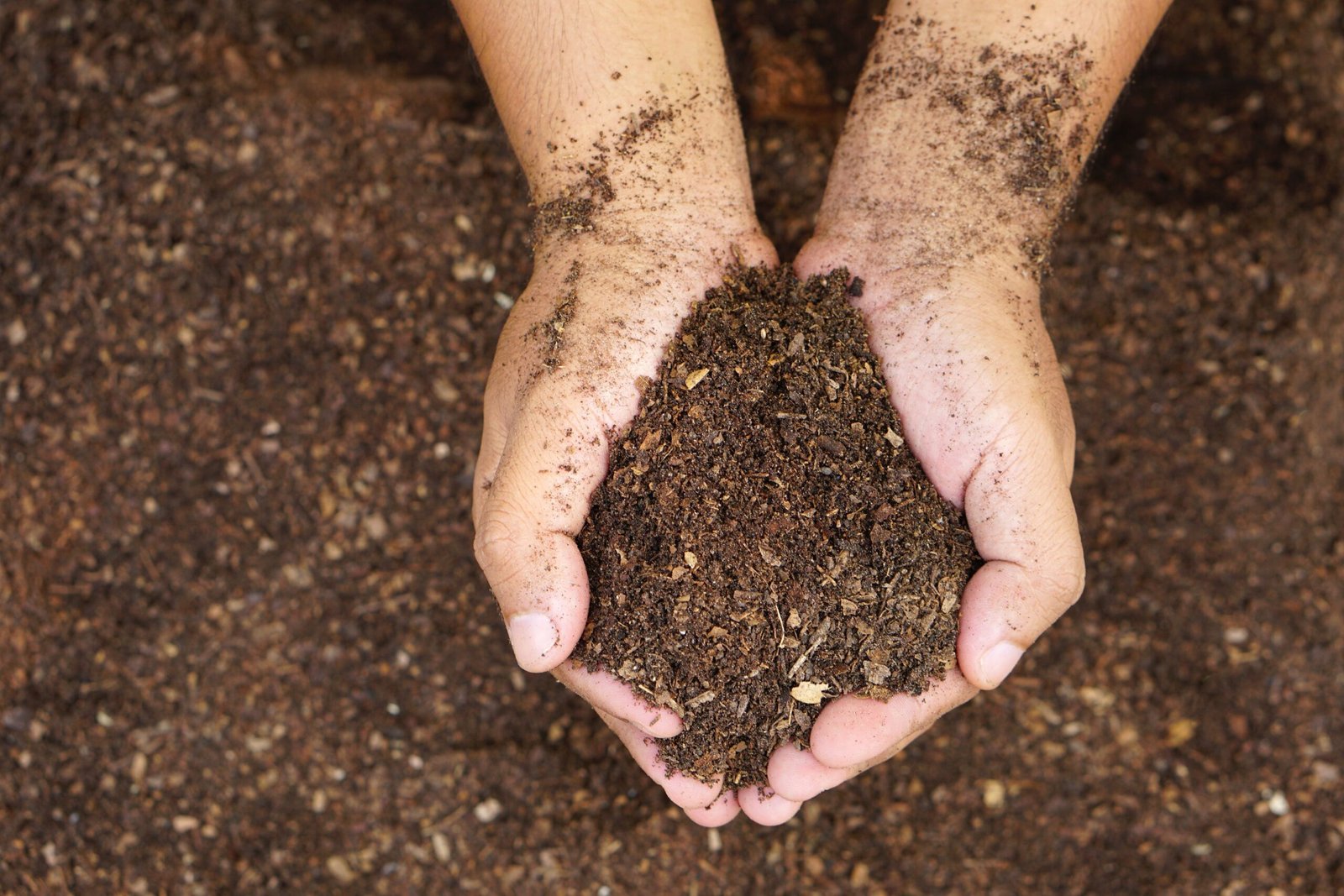
    hand of compost

    How to Evaluate Soil Quality at Home

    You do not need a lab or a scientist to assess the quality of your regenerated soil. Here are some simple steps that can help you evaluate whether your regenerated soil is ready for your garden:

    1. Look and Feel: Premium soil should feel crumbly, dark, and rich—much like the loamy texture found in nature’s finest gardens. It should lack any visible remnants of raw waste.

    2. Smell: A fresh, earthy scent signals that the soil is alive with beneficial organisms. Any off-putting, chemical-like odors may indicate an imbalance or incomplete process.

    3. pH Balance: Ideal soil typically falls between a pH of 6 and 8. You can use a simple pH testing kit from a garden center to check if your soil is in this range.

    4. Nutrient Content: A refined nutrient profile, obtained through a simple home test or analysis kit, confirms that the soil is densely packed with the essential elements for plant growth.

    5. Moisture Content: The soil should be moist but should be far from soggy. Excess moisture can lead to anaerobic conditions, which might cause the soil to develop an unpleasant odor and a less desirable nutrient profile.

      By evaluating these factors, you can ensure that your output from your wet waste recycler is a positive addition to your garden’s ecosystem.

    The Future of Wet Waste Recycling

    Chewie’s Regen Soil is more than just compost, it’s a nutrient powerhouse. Chewie’s innovative wet waste management technology doesn’t just dehydrate your food scraps. Chewie’s output, Regen Soil, is not simply compost, it is a living, nutrient-dense output that closely resembles natural, healthy soil. Through a carefully controlled process, Chewie preserves essential nutrients. The result is a product that supports root development, improves water retention, and promotes overall plant health.

    The Bigger Picture: Convenience, Plant Health, and a Lower Carbon Footprint

    Integrating a wet waste recycler into your daily routine brings a trifecta of benefits. First, it makes your life more convenient by reducing the hassle of organic waste disposal. Instead of dealing with overflowing bins or frequent trips to garbage trucks or waiting for the municipal authorities to collect your waste, a wet waste recycler handles everything on-site.

    Second, by converting your wet waste into a nutrient-rich output, wet waste recyclers enhance soil fertility naturally. This means you are less reliant on chemical fertilizers, which can be harmful to both the environment and your local water supply. With regenerated soill, your garden can flourish with healthier plants, increased yields, and a vibrant ecosystem of soil life.

    Lastly, using a wet waste recycler like Chewie significantly reduces your carbon footprint. By diverting organic waste from landfills, where it would generate methane, a potent greenhouse gas, you are contributing to cleaner air and a healthier planet. It is an impactful way to participate in the fight against climate change, all while enjoying the benefits of convenience and a thriving garden.

    Whether you are looking to simplify waste management, enrich your garden, or reduce your environmental impact, investing in a wet waste recycler is a smart move. With every batch of regenerated soil, you are not just feeding your garden, you are cultivating a greener, more sustainable future. Embrace the power of high-quality soil and let your garden thrive with the natural, nutrient-packed goodness that only a dedicated wet waste recycler can provide. Explore the possibilities with Chewie and watch your garden transform into a vibrant, sustainable haven.

  • Why Bangalore’s Apartment Boom is Creating a Waste Epidemic

    Bangalore city skyline

    The Skyline’s Secret: How High-Rises Are Drowning in Trash

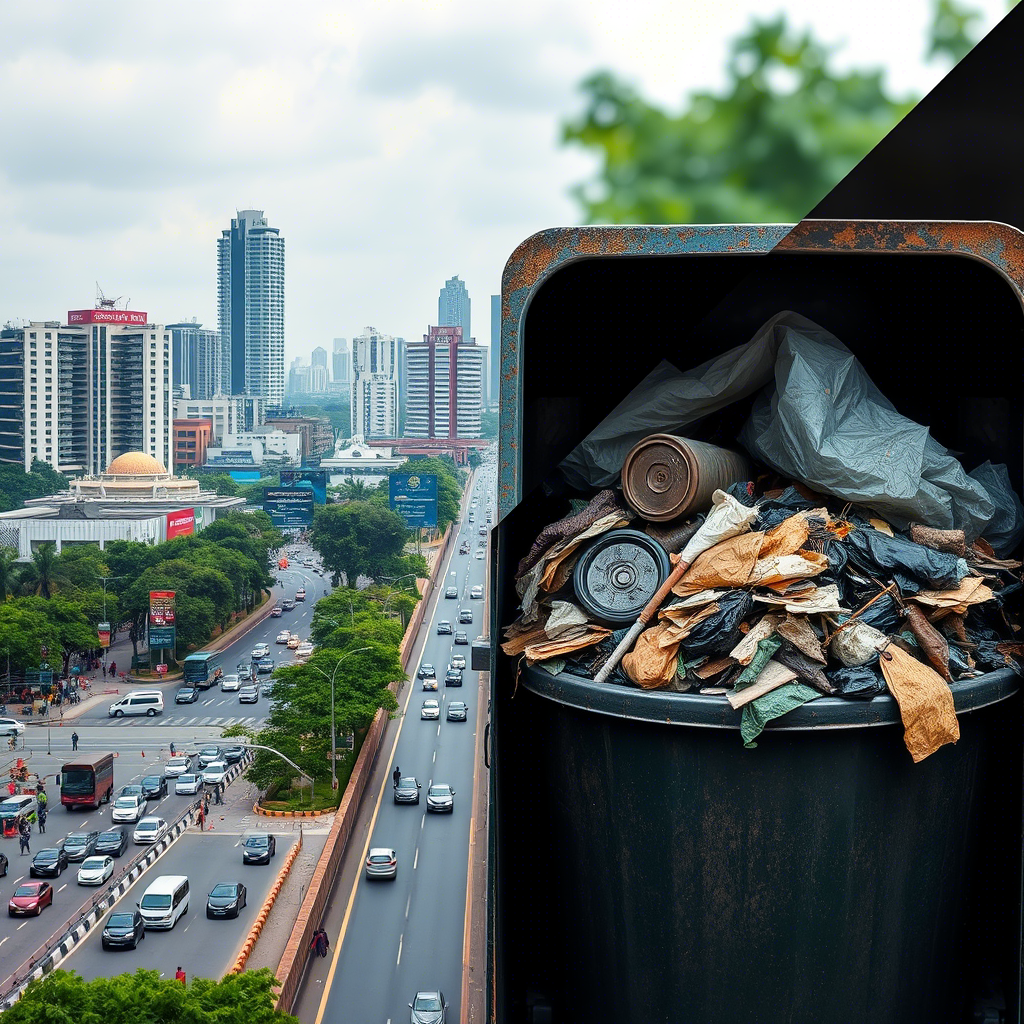
    Bangalore’s real estate explosion has delivered thousands of sleek new apartments, but with an oversight: there is no space to manage waste. The city’s infrastructure battles overwhelming volumes of garbage daily, mostly unsegregated. High-rises, often marketed as “modern living solutions,” push residents to mix plastic, food scraps, and non-biodegradable materials into single bins due to nonexistent segregation spaces. The result? A crisis spilling into streets, lakes, and lungs.

    The Segregation Trap: Why Apartments are Designed to Fail

    Segregation feels extremely tedious in your average apartment. Most builders treat waste zones as afterthoughts, leaving residents to battle leaky bags, pests, and guilt. Even eco-warriors surrender when faced with the choice of convenience vs effort. Why trip over bins in a congested space when everything can simply be tossed into a single bag? The system isn’t just broken – it’s a setup for failure.

    Bangalore lake

    The Midnight Dumping Crisis

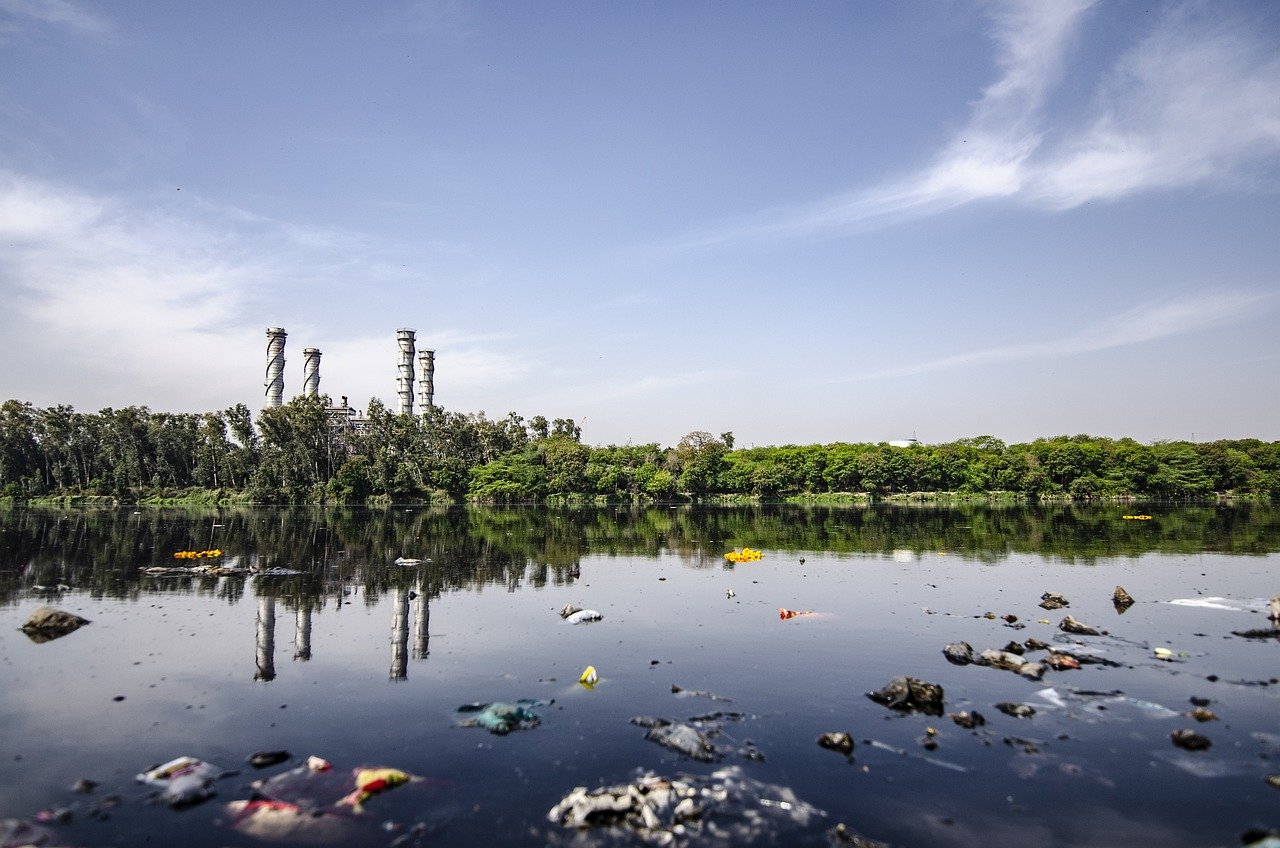
    When apartments can’t segregate, waste vanishes into the shadows. Overloaded municipal trucks and erratic collection schedules push residents and contractors to dump illegally—in lakes, vacant plots, and storm drains. Remember Bellandur Lake’s toxic foam that made global headlines? That’s not an anomaly; it is the cost of systemic neglect. While BBMP cracks down with rising fines, penalties won’t fix the root issue. Apartments are not properly designed to manage waste.

    How to Hack a Broken System

    While Bangalore’s waste management buckles, wet waste management solutions offer compact, home solutions that bypass the inconvenience and empower residents to take control of their waste right at the source. Unlike the inefficient processes set in place now, Chewie is designed to fit into your house seamlessly, proving to be an effective tool for wet waste management without requiring extensive space.

    Wet waste management devices aren’t just gadgets- they are statements. Every household that adopts Chewie reduces its waste dramatically, proving that individual action can disrupt systemic failure.

    A Choice: Keep Downing or Be a Part of a Revolution

    The wet waste crisis demands a holistic strategy that combines community action, technological innovation, and infrastructural reform. For apartment dwellers facing constraints, rethinking in-home wet waste management is critical. Modern, sleek, in-kitchen solutions can ease the burden by reducing the time, labor, and odor associated with handling wet waste. Advanced features such as AI-driven computer vision for precise carbon-nitrogen calibration and temperature-controlled digestion that transforms wet waste into Regen Soil – are features that address our challenges head-on. While retrofitting advanced technology in our houses tackles our wet waste problems, there is also a need for better-designed living spaces and plans. Developers, interior designers, and architects need to integrate waste zones into building blueprints, and municipal authorities must implement policies that support effective segregation and recycling. By sharing practical solutions within community networks and holding decision-makers accountable, residents can collectively foster an environment where sustainable waste management is not an option but a norm, paving the way for a cleaner and healthier city.

    Rise Above the Rubble

    The apartment boom is a stepping stone towards a cleaner future. With modern innovations like wet waste recyclers like Chewie, we’re not just managing waste- we’re proving that cities can grow sustainably. Bangalore, India’s tech capital, deserves a skyline that doesn’t hide a secret landfill. Let’s build a legacy of clean streets, thriving lakes, and kitchens that lead the change.

  • The Luxury Lie: Why ‘Smart Homes’ Are Still Drowning in Waste

    a living room with a couch and a piano

    In a world of high-rise elegance, where luxury apartments boast smart technology and sustainable living, there’s an overlooked secret. Beneath the polished surfaces and sophisticated automation lies an overlooked challenge: managing wet waste. While residents enjoy modern conveniences, they are also burdened with the archaic chores of handling organic waste– a dilemma that not only disrupts their lifestyle but also challenges the promise of a truly smart home.

    The Illusion of Sustainable Luxury

    The luxury housing market is celebrated for its commitment to sustainability and modern innovation. From automated lighting to climate-controlled environments, these residences are marketed as the epitome of contemporary living. However, behind the gleaming facades, a significant shortcoming persists- wet waste management. In the midst of pristine interiors and high- end amenities, organic waste from everyday living becomes a stubborn problem. The inconvenience, labor, and unpleasant odor of handling wet waste starkly contradict the promise of luxurious, hassle-free living.

    Health Hazards Unmasked: The Invisible Threat in Your Home

    Neglected waste is far more than an aesthetic issue, it’s a covert health hazard. Poorly managed organic waste can foster harmful bacteria and allergens, contributing to respiratory problems and other health risks. The persistent odor not only compromises indoor air quality but also disrupts the tranquil ambiance that a luxury home is supposed to offer. Instead of being a sanctuary of comfort, your living space could be harboring unseen dangers that betray the promise of modern, healthy living.

    Beauty Betrayed: When Style Meets Unwanted Odours

    Imagine a home where every detail– from minimalist decor to state-of-the-art amenities–speaks of sophistication, yet a hidden corner is filled with the reality of wet waste decay. This dissonance creates an unsettling tension between the advertised luxury and everyday reality. This visual and olfactory impact of unmanaged waste can undermine even the most carefully curated aesthetics, reminding residents that true luxury should never come at the cost of basic hygiene and environmental care.

    Time Thief: The High Cost of Managing Wet Waste

    In today’s fast- paced urban life, time is the ultimate luxury. The painstaking process of handling, and disposing wet waste can sap hours from your day, diverting your attention from work, family, or leisure. The labor-intensive nature of this chore is at odds with the convenience promised by a smart home. In a world where every minute counts, the struggle with wet waste management not only drains your energy but, also stands as a stark contradiction to the streamlined, efficient lifestyle you expect.

    The Game-Changer in Luxury Living

    Wet waste management devices are a breakthrough solution designed to transform the waste management game in India. It isn’t just another device, it’s the epitome of innovation, merging luxury with functionality to tackle the age-old problem of wet waste.

    Smart Tech, Smarter Waste: Chewie’s AI Revolution

    At the heart of Chewie lies a state-of-the-art AI computer vision system that revolutionizes wet waste management. This intelligent system meticulously analyzes each piece of organic waste to determine the ideal balance of green and brown. By precisely calibrating the right amount of additives, Chewie ensures that every morsel of waste is processed with unparalleled efficiency–eliminating guesswork and reducing manual intervention. This advanced technology not only saves time but also preserves the pristine environment of your home, proving that luxury can indeed meet smart, sustainable solutions.

    Turning Trash into Treasure

    Chewie reimagines wet waste management by turning what was once an inconvenience into a valuable resource. Its temperature-controlled digestion chamber neutralizes odors, destroys harmful pathogens, and transforms organic waste into nutrient-rich Regen Soil. This Regen Soil isn’t just a byproduct— it’s an asset that can rejuvenate urban green spaces, enhance personal gardens, or even support community projects. By converting waste into wealth, this device embodies the idea that true luxury lies in innovation that not only simplifies life but also nurtures the environment.

    Luxury Redefined: The Pinnacle of Innovation and Eco Chic

    Integrating wet waste management into your smart home isn’t just about upgrading an appliance– it’s about redefining luxury itself. This innovation represents the convergence of convenience, cutting- edge technology, and environmental responsibility. It is a testament to the modern lifestyle, where every element of your home reflects a commitment to efficiency, health, and sustainability. With Chewie, luxury transcends aesthetics; it becomes a statement of smart living, where every detail is engineered to enhance your quality of life.

    Waves of Change: How Smart Solutions are Transforming Modern Living

    Luxury today is not merely about high-end finishes or advanced gadgets– it’s about curating a lifestyle that harmonizes efficiency, health, and environmental stewardship. The shortcomings of current waste management practices in high-end homes serve as a wake-up call, highlighting that beneath the glossy veneer of sustainable living lies a need for genuine innovation.

    By adopting wet waste management solutions, homeowners make a powerful statement. They choose a future where the convenience of smart technology does not come at the expense of the environment. Chewie isn’t just an appliance; it’s a movement– a catalyst for change that transforms everyday challenges into opportunities for progress. With Chewie, every home becomes a beacon of modern luxury, setting new standards for what it means to live in a stylish yet sustainable manner.

    Luxury is evolving. Let your home be the ultimate statement of modern sophistication and eco-conscious living. Checkout Chewie today and join the movement that is reshaping the future of luxury living.

  • Green Dreams, Grey Realities: Why Sustainability Feels Like an Uphill Battle in India

    In a country pulsating with life and relentless ambition, the quest for a sustainable lifestyle often feels like fighting an invisible enemy. The dream of a cleaner and greener tomorrow clashes with the realities of everyday life, where systemic challenges and deep-rooted habits create a maze of obstacles. Let’s dive into why being sustainable in India isn’t as simple as it sounds:

    A Consumer- Driven Economy Thrives on More, Not Less

    Modern Marketing isn’t just about selling products– it is designed to keep us in a never ending cycle of consumption. Recycling, upcycling, or even just making do with what you already have does not contribute to profit margins. Every new gadget, trendy outfit, or one-time use item is strategically marketed to create a desire that eclipses our intentions to reuse and recycle. This consumerist engine keeps churning out products that sideline sustainability in favor of profit.

    The Relentless Pressure to Keep Up

    In a society where success is often measured by the latest trends and visible markers of achievement, people are in a race- not just for money, but for status. The car you drive, the clothes you wear, the gadgets you own– all these are markers of your social status. And unfortunately, sustainability isn’t always aspirational. It is difficult to carry a cloth bag to the supermarket when luxury brands wrap every purchase in layers of glossy packaging. When the race to outdo one another becomes the norm, eco-conscious choices often take a back seat to quick, status-driven decisions. Emerging smart solutions in waste management like Chewie help streamline everyday routines, lightening the load without compromising on status.

    Tradition Runs Deep, and Change is a Slow burn

    There’s a reason you are still handed out single-use plastic bags despite the bans. Cultural and behavioral habits do not change overnight. It isn’t easy, especially when it means overturning decades or even centuries of habits. Many practices– whether it’s throwing waste on streets, excessive use of water in rituals, or prioritizing convenience over sustainability– have been around for generations. The inertia of tradition creates an environment where innovative eco-friendly practices struggle to break through deeply ingrained behaviors and become the new norm. Modern recycling innovations are beginning to integrate into daily life, offering a seamless way to honor tradition while gently nudging sustainability forward.

    Resources Are Limited, And So Is Mental Space

    The reality on the ground is stark: resources like water, clean air, unreliable public transport– everyday life already demands a lot of effort from people. When basic necessities require extra effort, making sustainable choices becomes just another burden. Clean air and water are a privilege when you are navigating through potholes and traffic to make it to work. This scarcity for basic amenities forces many to prioritize immediate needs over the extra effort required to adopt sustainable practices. When every drop of water and breath of air counts, the commitment to a green lifestyle can quickly be sidelined. Streamlined, automated wet waste management devices such as Chewie provide a respite—helping manage wet waste effortlessly so that precious mental space remains available for what truly matters.

    Everyday Battles Overshadow the Climate Crisis

    While the global conversation talks about climate change, many in India face challenges that already feel life-threatening. Issues like job security, infrastructural deficiencies, and everyday economic pressures can overshadow long-term environmental concerns. When survival and progress depend on battling these problems– sustainability can seem like a distant luxury.

    Acknowledging these challenges does not mean giving up. It means understanding why sustainability feels difficult and working around it. The challenge lies not only in addressing environmental issues but reshaping a system that is fundamentally built on rapid consumption, intense competition, and age-old habits. By understanding the forces at play, we can begin to craft solutions like Chewie that balance ambition with responsibility, paving the way for a greener future– even amidst the grey realities of today.Sometimes, the smallest change such as the way we handle our waste can transform the burden into just another routine—paving the way for a greener future.

  • The Future of Wet Waste Management: AI, Automation, and Eco- Friendly Living Copy

    We’re living in a time where technology is evolving at lightning speed and our dedication to protecting the environment is stronger than ever. This dynamic change is transforming the way we handle waste in our homes. As city life continues to evolve, so do our methods for managing waste. Modern, smart solutions aren’t just about making daily chores simpler – they’re completely redefining our approach to everyday tasks.

    A New Era in Wet Waste Management

    Traditional waste management practices have long relied on manual segregation, traditional composting methods, and often, the inevitable issues of odor and mess. However, emerging trends in home automation are redefining these challenges. Modern technologies now harness artificial intelligence (AI) and automation to streamline wet waste management, making it faster, cleaner, and sustainable.

    Modern innovations in the field illustrate a future where waste is not merely discarded but is transformed into valuable resources. With rising concerns about landfill overuse and greenhouse gas emissions, such technologies offer promising solutions that make wet waste management effortless all while minimizing the environmental impact at the same time.

    AI in Home Appliances: Transforming Daily Living

    The infusion of AI into home appliances is turning daily chores into automated, intelligent processes. AI- driven devices are now capable of processing wet waste by using computer vision and smart sensors to analyze and convert organic waste into nutrient-rich regenerated soil. This precision driven approach to wet waste management not only increases efficiency but also ensures that the transformation process is consistent.

    By learning from each cycle, these systems continuously improve their performance, adapting to different types of wet waste. This data- driven evolution paves the way for an automated wet waste management future where the processing time is drastically reduced, and the end product is a nutrient-rich soil amendment that is ideal for urban households and small-scale gardening.

    Embracing an Automated Wet Waste Transformation

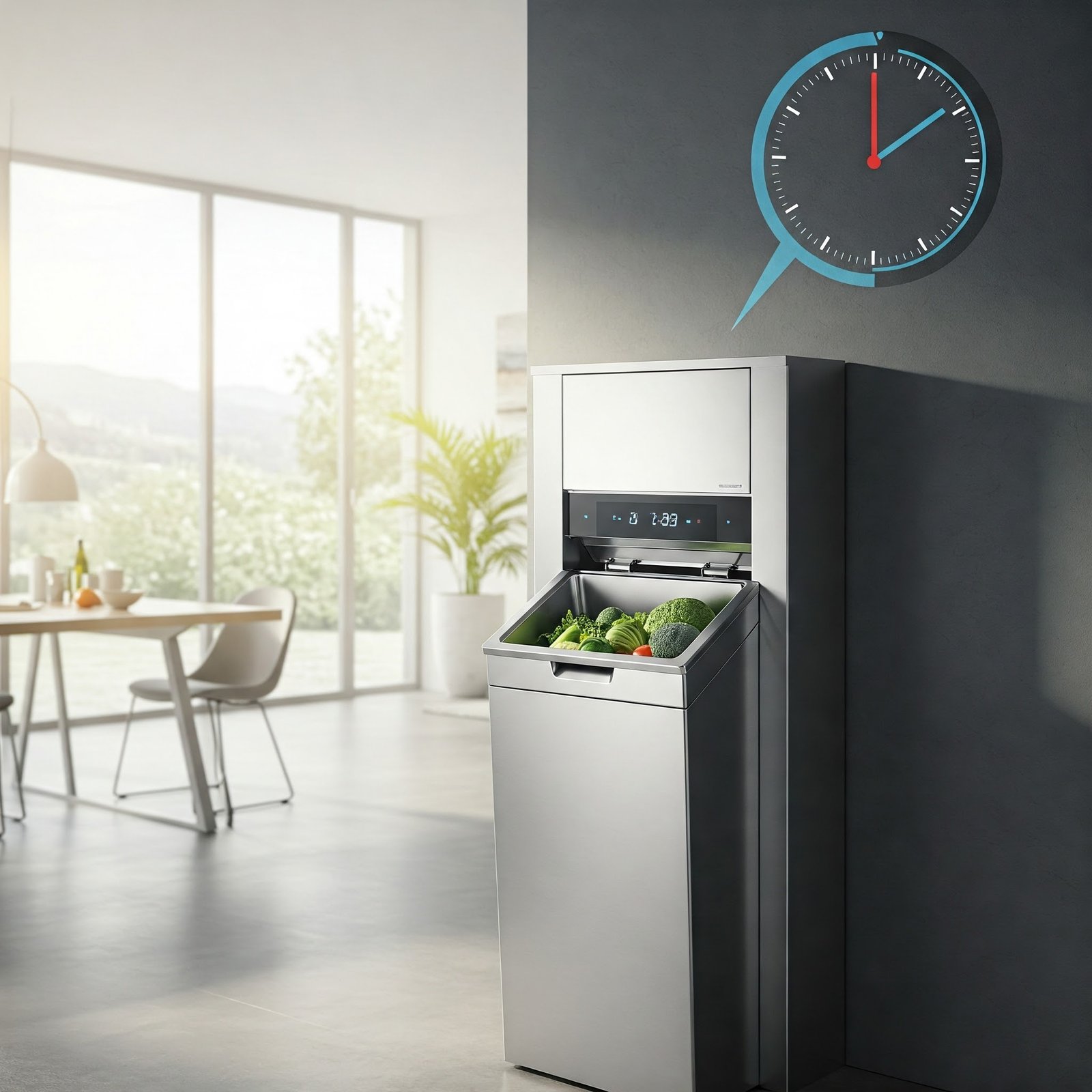
    One of the most exciting prospects in modern wet waste management is the shift towards a fully automated organic waste transformation. Advanced systems are now capable of converting wet waste into a high quality, nutrient-rich output in as little as 12 to 48 hours. This process leverages smart sensors, cutting-edge AI, and precision engineering to ensure that the conversion is efficient, hygienic and odor-free.

    By automating the entire process households can spend their time on things that truly matter to them, along with drastically reducing the volume of waste sent to landfills and reclaiming a valuable resource. The regenerated soil produced is ideal for urban gardens and small- scale agriculture. This transformation not only eliminates the need for manual intervention but also contributes to a circular economy by repurposing waste into a resource that enriches our surroundings.

    This breakthrough in automated organic waste transformation delivers exceptional convenience for urban households. It eliminates tedious, manual wet waste management tasks by processing organic waste and saving time. The result is a streamlined, hassle- free experience that fits perfectly with a busy modern lifestyle.

    Innovative Home Technologies for a Smarter Lifestyle

    Innovative smart devices are reshaping our daily routines by combining practicality with a commitment to the environment. Many of today’s appliances are designed with energy efficiency in mind, helping reduce our resource usage and our overall carbon footprint. They effortlessly integrate into our lives, offering benefits like quiet performance, low maintenance, and hands-free operation – all of which make living sustainably an easy and natural choice.

    Sleek and stylish, these devices fit into contemporary home designs while promoting a cleaner environment. By embracing such innovations, households can reduce waste being sent to landfills, cut energy costs, and take active steps towards a sustainable future– all without sacrificing modern comforts.

    A Cleaner Future Starts at Home

    The convergence of artificial intelligence, automation, and eco-friendly practices is setting the stage for a revolution in home waste management. By turning everyday waste into valuable resources, these forward-thinking technologies are paving the way for a future that’s not only more efficient but also kinder to our planet.

    For households striving to reduce their environmental impact without sacrificing convenience, embracing these innovative solutions is a crucial step forward. The future of wet waste management is here– smart, automated, and eco-friendly- offering a cleaner and effortless lifestyle for generations to come.

  • Traditional Composting vs Chewie: Which is Better for Your Home? Copy

    a person holding a plastic container filled with food

    In today’s eco conscious world, composting has become a cornerstone of sustainable living. For households looking to manage their wet waste effectively and reduce their carbon footprint, composting is a no-brainer. But when it comes to choosing the most efficient method, the decision isn’t always easy. Should you stick with traditional composting, or is it time to embrace modern and innovative solutions like a wet waste recycler?

    The Basics: What is Traditional Composting?

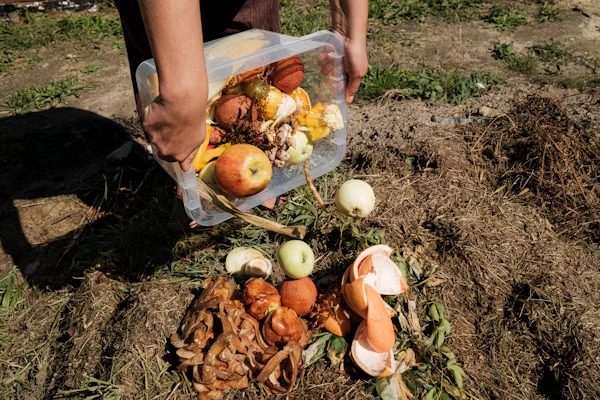
    Traditional composting is the age-old practice of breaking down organic waste- like food waste and vegetable peels into nutrient-rich compost. This process relies on natural decomposition facilitated by worms, microorganisms, and time. It is a tried and tested method that has been used for centuries to turn waste into fertilizer.

    With all that being said, traditional composting requires space, patience, and effort. You need a dedicated compost bin, the right balance of materials and regular maintenance to ensure moisture levels and proper aeration. For modern households or those with limited outdoor space, the requirements that come with traditional composting can pose a challenge.

    Enter Chewie: The Revolutionary Wet Waste Recycler

    Chewie is a game- changer in the world of wet waste management. Designed as a sleek, efficient wet waste recycler, Chewie simplifies the process of converting wet waste into regenerated soil. Unlike traditional methods, Chewie uses advanced AI powered technology to accelerate decomposition, making it faster and convenient.

    Organic waste– from vegetable peels to meat bones, anything can be tossed into Chewie without worrying about odours, pests, or the mess often associated with traditional composting. Its sleek design fits seamlessly into modern kitchens, making it an ideal fit for urban homes and eco-conscious families. Let’s dive into details and compare Chewie vs Traditional Composting to help you decide which is better for your home.

    Time and Effort: The Struggle with Traditional Composting

    One of the biggest challenges of traditional composting is the time and effort it demands. Organic waste can take weeks or even months to break down completely as they are heavily dependent on factors such as temperature, humidity, and the correct balance of materials. If the mix is not right, the process slows down significantly, leaving you with a pile of half decomposed waste that may take even longer to compost.

    Additionally, to the long wait time, traditional composting requires constant maintenance. Regularly turning the pile to aerate it, monitoring moisture levels, and ensuring the proper balance of green and brown materials are crucial to prevent the compost from becoming too wet or too dry. If neglected, compost piles can develop foul smells and even attract pests, adding another layer of difficulty to the process.

    Chewie automates the entire wet waste recycling process and does not require manual monitoring. Within hours, it efficiently processes organic waste into nutrient-rich regenerated soil and eliminates the need for constant intervention. This means no turning, no worrying about the balance and no long waiting periods.

    Ease of Use: Simplifying Sustainability

    Unlike traditional composting, which requires continuous effort and monitoring, Chewie automates the entire process. No prior knowledge of composting principles is needed- simply load the waste, and Chewie takes care of the rest. Whether you are new to sustainability or a seasoned eco-conscious homeowner, Chewie provides a hassle- free experience that fits into any lifestyle.

    Odour and Pest Control: A Common Concern

    The most common complaint that comes with traditional composting is the potential for unpleasant odours. If not managed properly, compost piles can emit foul smells due to anaerobic decomposition. Adding to that, decomposing food scraps can attract rodents, insects, and other pests, making it a messy and sometimes unhygienic process.

    Chewie eliminates these concerns with its advanced odour-control mechanism and sealed system. It processes waste efficiently without producing strong odours and prevents pest infestations, making waste management cleaner and more hygienic.

    Space Constraints: Not Everyone has a Backyard

    Traditional composting requires ample outdoor space, preferably a garden or a compost bin area, which makes it impractical for urban settings. This lack of space can be a major roadblock in adopting sustainable practices around wet waste management.

    On the other hand, Chewie is designed for all types of homes. Its compact size makes it a great option for small apartments, urban homes, or simply any space where traditional composting is not feasible. By eliminating the need for outdoor space, Chewie ensures that sustainability is accessible to everyone.

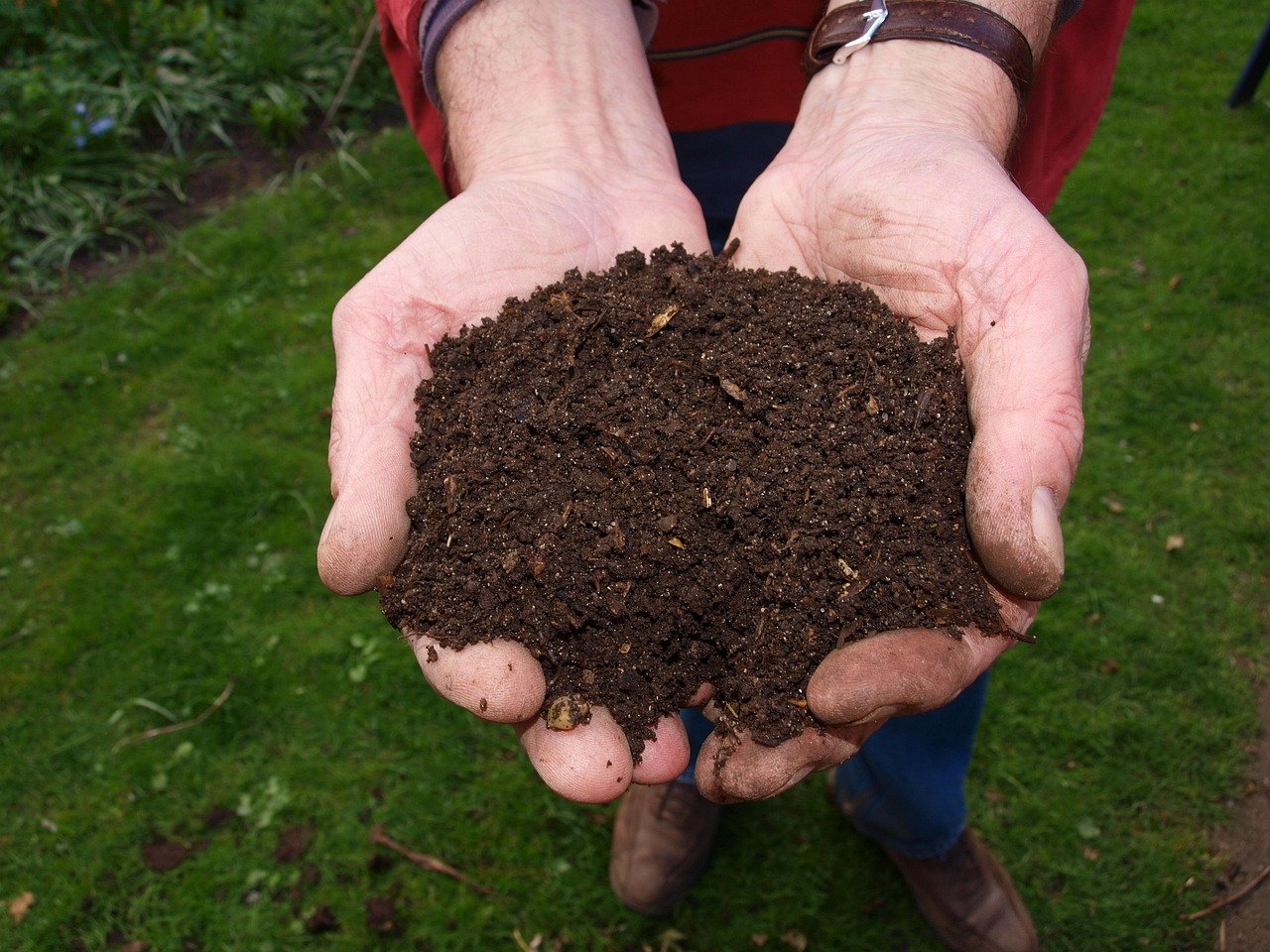
    a person holding compost in their hands

    Final Verdict: Convenience or Commitment?

    If you enjoy hands-on waste management, have ample outdoor space, and are comfortable with longer decomposition periods, traditional composting may be a viable option. However, if you seek a fast, hassle-free, and space-efficient solution, Chewie is the perfect alternative for modern homes while being eco-friendly. With Chewie, you can embrace sustainable wet waste management while contributing to a greener and cleaner future effortlessly.

    Ready to Make the Switch?

    If you are ready to upgrade your wet waste management game, consider giving Chewie a try. It’s not just a wet waste recycler – it’s a lifestyle upgrade that brings sustainability into your home without the fuss. Say goodbye to the limitations of traditional composting and say hello to your cleaner future with Chewie.

    What’s your composting story? Are you team Chewie or team Traditional Composting?